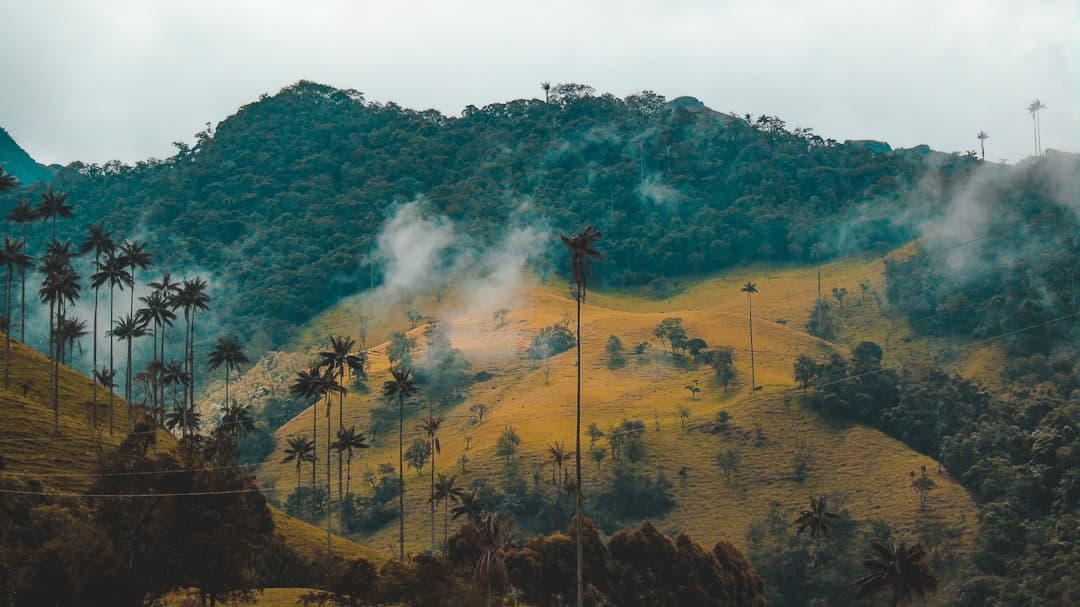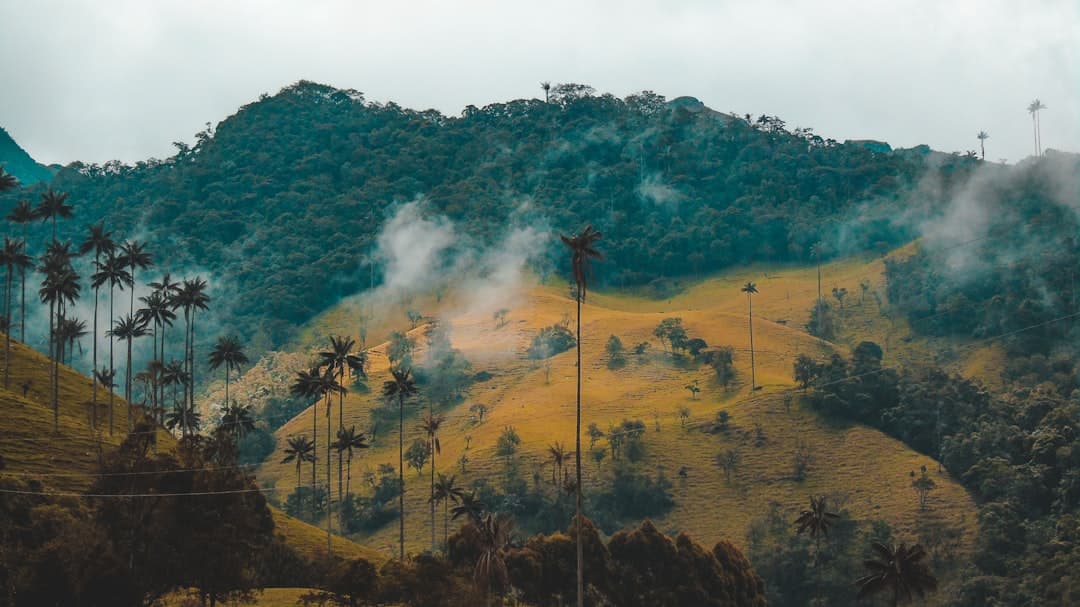
The Eje Cafetero — Colombia's storied coffee axis spanning the departments of Caldas, Quindío, and Risaralda — has expanded its identity beyond agricultural heritage to become a recognized hub for adventure and ecotourism in South America.
A Landscape Built for Outdoor Exploration
The region's terrain, characterized by steep Andean slopes, cloud forests, and a network of rural footpaths connecting historic coffee farms known as fincas, provides a natural foundation for trail-based tourism. Routes traversing the Cocora Valley — home to Colombia's national tree, the wax palm — attract hikers from across the continent and beyond. The Los Nevados National Natural Park, anchored by snow-capped volcanic peaks, adds high-altitude trekking to the regional offering.
Biodiversity as a Tourism Driver
The Eje Cafetero sits within one of the most biodiverse corridors on Earth. The region's cloud forest habitats support a wide variety of bird species, drawing a growing segment of specialized wildlife tourism. Colombia as a whole holds the highest bird species count of any country, and the coffee highlands form a critical part of that ecological richness.
Cultural Heritage Reinforces the Appeal
UNESCO recognition of the Coffee Cultural Landscape of Colombia as a World Heritage Site has provided international visibility to the region's blend of natural and human geography. Traditional bamboo architecture, multigenerational farming practices, and community-based tourism operations allow visitors to engage with local culture alongside outdoor activities.
Infrastructure and Accessibility
Improved road connectivity and the expansion of boutique and eco-lodge accommodations have made the region more accessible to international visitors without significantly altering its rural character. The cities of Armenia, Manizales, and Pereira serve as practical gateways, each offering domestic flight connections to major Colombian hubs.
As adventure tourism continues to grow across Latin America, the Eje Cafetero's combination of protected landscapes, cultural depth, and developing trail infrastructure positions it as one of the region's more distinctive destinations for experience-driven travel.
Open Questions
Whether increased visitor traffic can be managed sustainably without degrading the ecosystems and agricultural landscapes that define the region's appeal remains an active concern for local planners and conservation organizations.
This article was compiled with the support of advanced research technology, based on multiple verified sources, and reviewed by our editorial team.