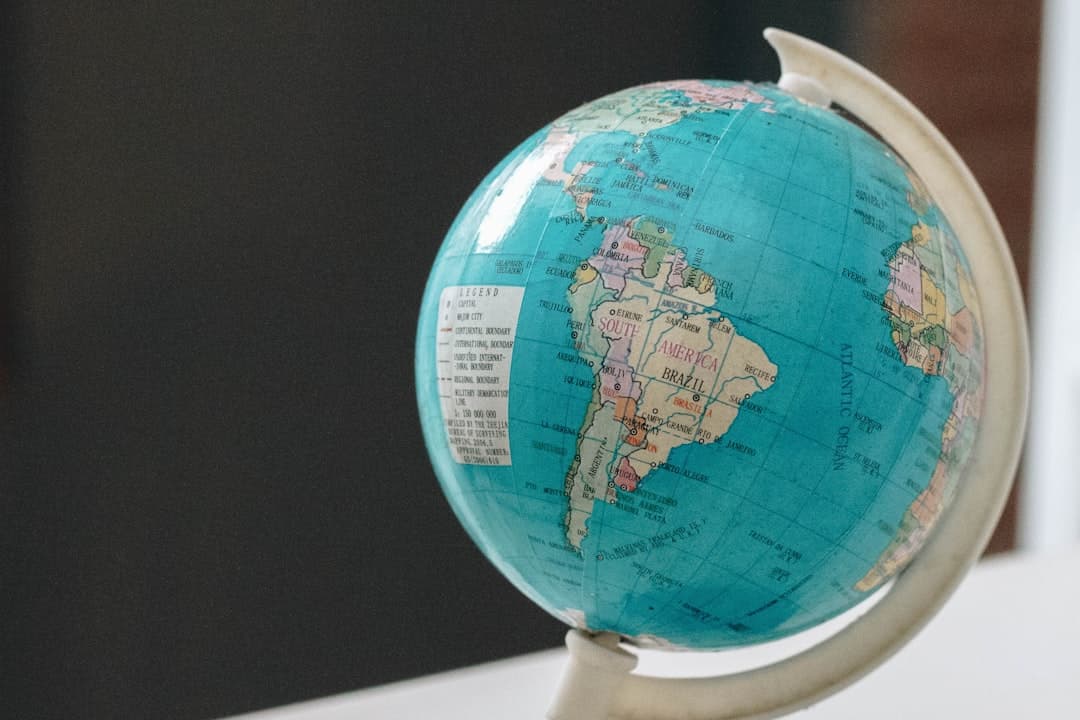
From the Andes to the Southern Cone, democratic institutions in South America are navigating an increasingly turbulent period, as governments in multiple countries confront challenges related to judicial independence, press freedom, and electoral integrity.
Executive-Legislative Friction
In several nations, including Venezuela, Bolivia, and Peru, friction between executive administrations and legislative bodies has intensified, straining constitutional frameworks that were designed to distribute power across branches of government. Critics of incumbent administrations have pointed to concentrated executive authority as a structural risk, while government supporters have argued that strong central leadership is necessary to address economic instability and social inequality.
The Role of Regional Bodies
The Organization of American States and the Union of South American Nations have both faced limitations in their capacity to mediate domestic political disputes, partly due to disagreements among member states over the definition of democratic backsliding versus legitimate governance reform. Both organizations have historically struggled to enforce their own democratic charters when member governments resist external scrutiny.
Civil Society and the Press
Independent journalism and civil society organizations continue to serve as primary watchdogs across the region, though several press freedom organizations have documented a measurable deterioration in conditions for reporters in countries such as Venezuela and Nicaragua. In contrast, nations including Uruguay and Chile have maintained relatively stable institutional environments, offering a counterpoint to regional trends.
Electoral Cycles as a Bellwether
With several nations scheduled to hold national elections in the coming years, the integrity and transparency of electoral processes will serve as significant tests for regional democratic health. International observer missions have historically played a role in lending or withholding legitimacy to contested electoral outcomes across the continent.
Open Questions
Will regional bodies develop stronger enforcement mechanisms for democratic standards? Can civil society organizations sustain their monitoring roles under increasing governmental pressure? How will upcoming electoral cycles affect the broader trajectory of democratic governance in South America?
Sources: Organization of American States (OAS), Freedom House, Reporters Without Borders, UNASUR institutional records, Committee to Protect Journalists (CPJ)
This article was compiled with the support of advanced research technology, based on multiple verified sources, and reviewed by our editorial team.