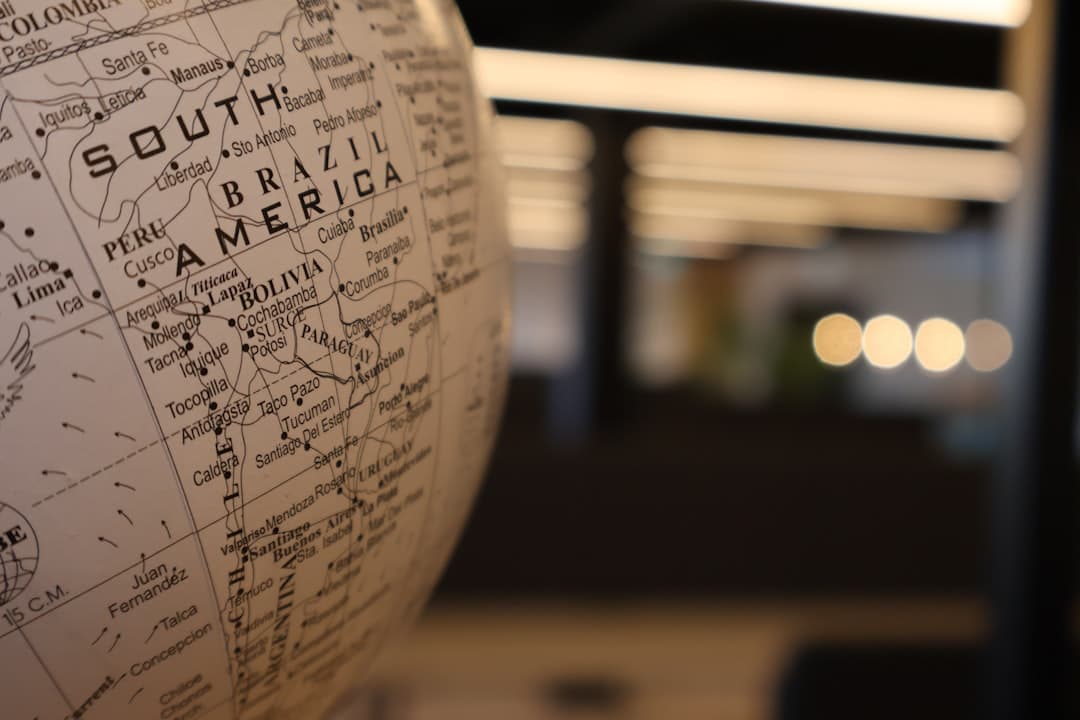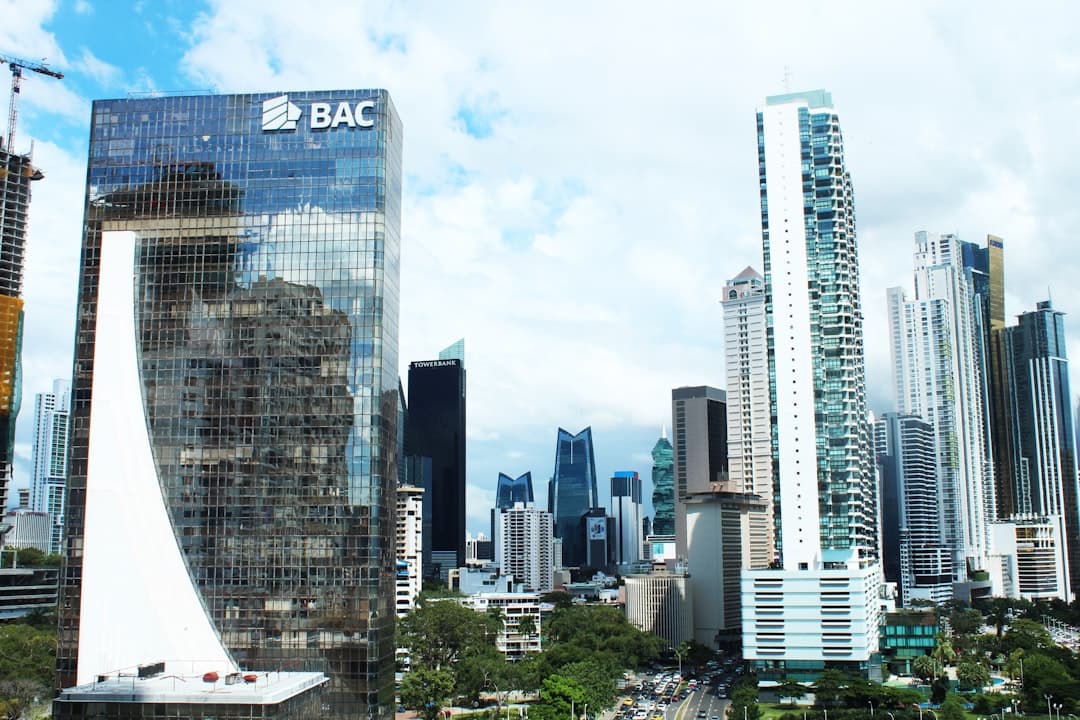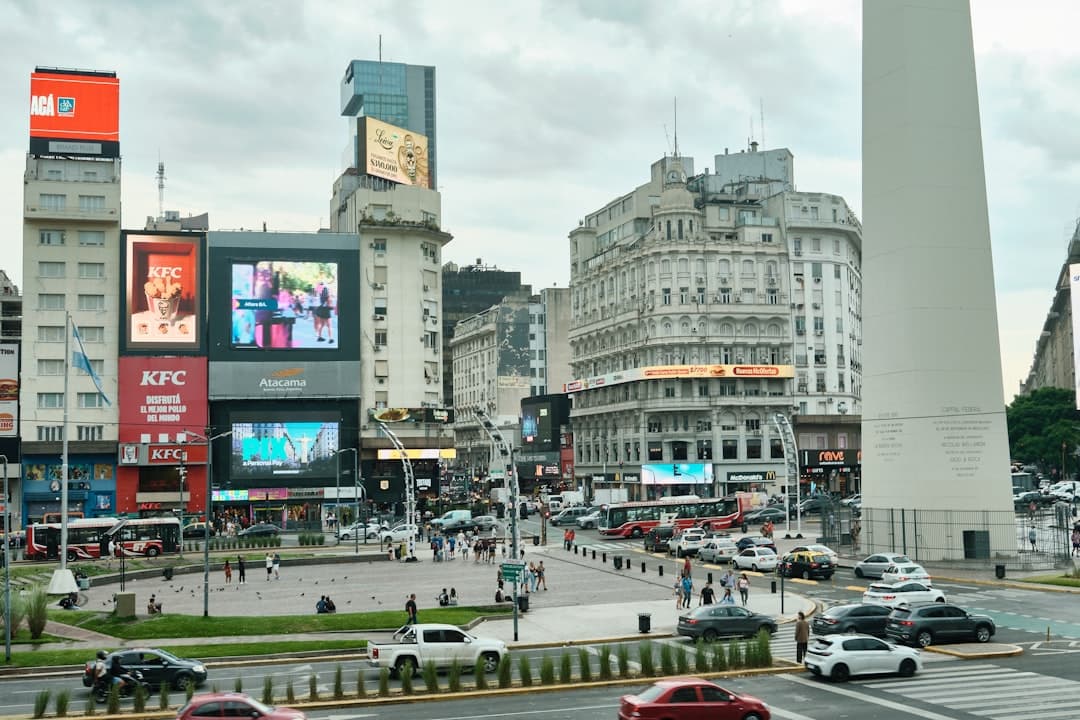
Foreign direct investment across South America has grown considerably in recent years, with multiple economies attracting capital from North American, European, and Asian sources. The trend reflects both regional stability in key markets and global demand for the commodities and sectors in which South America holds competitive advantages.
Energy and Natural Resources Lead the Way
Brazil's oil and gas sector, anchored by offshore pre-salt reserves, continues to draw substantial international capital. Chile remains a primary destination for investment in lithium extraction and processing, a sector that has gained strategic importance as global demand for battery technology accelerates. Argentina's Vaca Muerta shale formation has similarly attracted international energy companies despite the country's historically complex macroeconomic environment.
Technology and Digital Infrastructure Expand
Beyond extractive industries, investment in digital infrastructure has grown across the continent. Data center construction, fintech platforms, and e-commerce logistics networks have drawn capital into Brazil, Colombia, and Peru. Colombia's capital, Bogotá, has developed a reputation as a regional hub for technology startups, supported by government programs designed to facilitate foreign business registration and operation.
Agriculture Draws Long-Term Commitments
South America's role as a global food supplier has reinforced investor interest in agricultural technology and supply chain infrastructure. Brazil and Argentina together account for a significant share of global soy and corn exports, and investment in agribusiness — including precision farming technology and port logistics — has followed accordingly.
Structural Factors Shaping the Landscape
Currency volatility, regulatory variation between countries, and infrastructure gaps remain factors that foreign investors weigh when entering South American markets. Trade agreements, including those pursued through Mercosur and the Pacific Alliance, continue to shape the legal frameworks under which cross-border investment operates.
Open Questions
Whether recent investment inflows translate into sustained economic development or remain concentrated in export-oriented enclaves is a subject of ongoing analysis. The degree to which individual governments maintain consistent regulatory environments will likely influence capital allocation in coming years.
Sources: World Bank Foreign Direct Investment data, ECLAC (Economic Commission for Latin America and the Caribbean) investment reports, OECD Latin America Outlook publications, national investment promotion agencies of Brazil (Apex-Brasil), Chile (InvestChile), and Colombia (ProColombia).
This article was compiled with the support of advanced research technology, based on multiple verified sources, and reviewed by our editorial team.