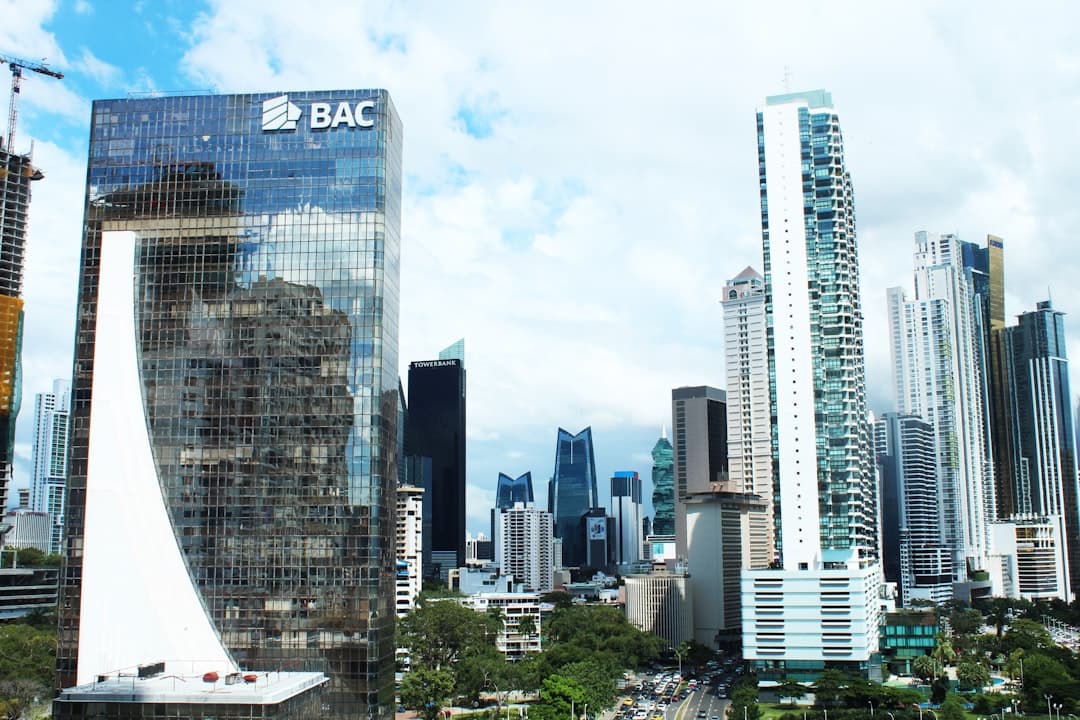
South America has emerged as a focal point for multinational investment strategies, driven by a convergence of geographic, demographic, and economic factors that distinguish the region from other emerging markets.
Natural Resources and the Energy Transition
The continent holds some of the world's largest known reserves of lithium, copper, and rare earth minerals — materials considered essential to electric vehicle manufacturing and renewable energy infrastructure. Countries including Chile, Argentina, and Bolivia sit atop the so-called Lithium Triangle, attracting sustained interest from automotive and battery manufacturers headquartered in Asia, Europe, and North America.
Brazil, meanwhile, has expanded its position as a leading producer of green hydrogen and sustainable aviation fuel, drawing partnerships with global energy companies seeking to diversify their clean energy portfolios.
Agricultural and Consumer Market Growth
South America accounts for a significant share of global soy, beef, and grain exports, making the region indispensable to international food supply chains. Agribusiness conglomerates have increased processing and logistics investments across Brazil, Argentina, and Uruguay to capture more value within the continent rather than exporting raw commodities alone.
Separately, a growing urban middle class across major cities — including São Paulo, Bogotá, Lima, and Santiago — has attracted retailers, financial technology firms, and streaming platforms looking to establish early market positions ahead of projected consumer spending growth.
Infrastructure and Digital Expansion
Telecommunications companies and cloud computing providers have announced data center projects and subsea cable expansions across the region, citing demand for faster connectivity and digital services. Regional governments have also introduced investment incentive programs and bilateral trade agreements intended to reduce friction for foreign operators.
Challenges persist, including currency volatility in certain markets, bureaucratic complexity, and political uncertainty in some countries. Even so, long-term strategic positioning appears to outweigh near-term operational risks for a growing number of global firms.
Open Questions
Will regulatory stability keep pace with investor expectations? How will resource nationalism policies in lithium-rich countries shape the terms of foreign partnerships over the next decade?
Sources: World Bank, International Energy Agency, UN ECLAC (Economic Commission for Latin America and the Caribbean), U.S. Geological Survey, OECD Investment Policy Reviews.
This article was compiled with the support of advanced research technology, based on multiple verified sources, and reviewed by our editorial team.