South America's technology sector has undergone a measurable transformation over the past decade, with a growing cluster of startups reaching valuations of one billion dollars or more — the threshold commonly used to define a unicorn company. This shift has repositioned the region as a serious destination for global venture capital, moving beyond its historical role as a peripheral market.
Brazil Leads the Regional Pack
Brazil remains the dominant force in Latin American tech, home to a disproportionate share of the region's unicorns. Companies operating in fintech, e-commerce logistics, and digital health have driven much of this growth, benefiting from the country's large population, expanding middle class, and increasingly smartphone-connected consumer base. Nubank, the digital banking platform headquartered in São Paulo, stands as one of the most widely cited examples of Brazilian tech reaching international scale.
Colombia and Argentina Gain Ground
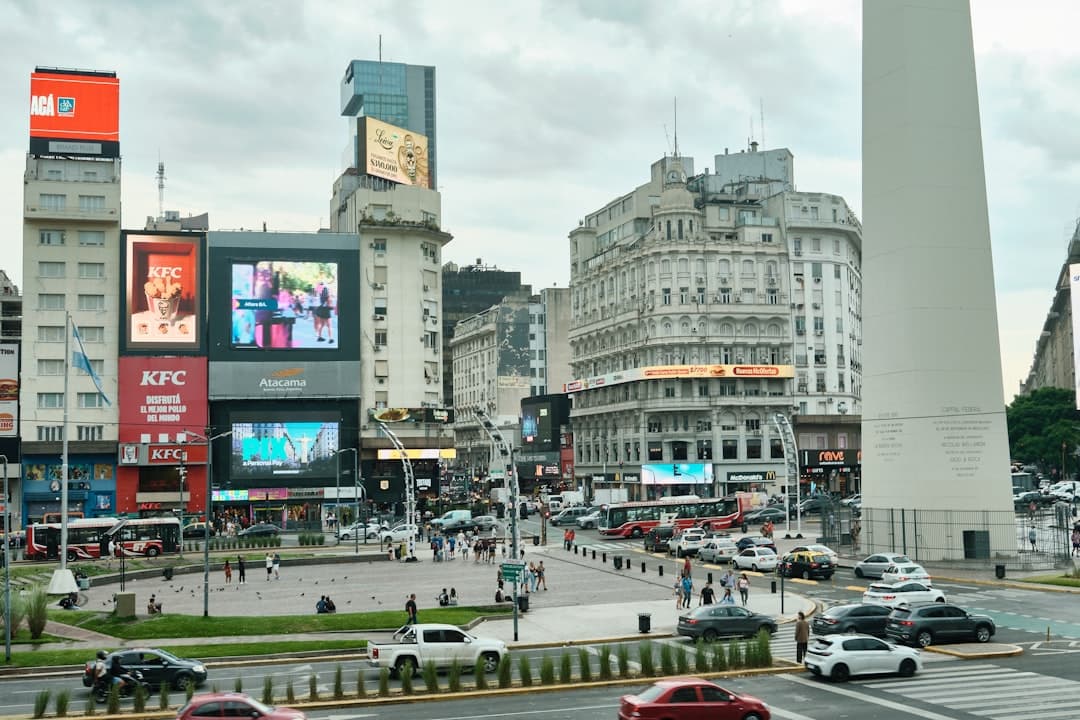
Colombia has seen its startup ecosystem mature significantly, with Bogotá establishing itself as a secondary hub attracting both regional and international capital. Argentina, despite recurring macroeconomic instability, has produced a consistent pipeline of tech talent and venture-backed companies, particularly in software development and agricultural technology.
Structural Factors Behind the Surge
Analysts point to several converging factors behind the region's rise. Mobile internet penetration has expanded access to digital services across previously underserved populations. Regional accelerators and government-backed innovation programs have provided early-stage support. Cross-border investment from North American and European funds has also increased substantially, signaling growing confidence in the region's long-term potential.
Challenges remain, including regulatory fragmentation across national borders, currency volatility in several markets, and uneven access to infrastructure outside major urban centers. Nevertheless, the pipeline of pre-unicorn companies suggests the current wave is unlikely to be isolated.
Open Questions
Whether secondary cities beyond São Paulo, Bogotá, and Buenos Aires will develop self-sustaining ecosystems remains to be seen. The durability of foreign investment interest during periods of global economic contraction also presents an unresolved variable for the region's continued trajectory.
Sources: Crunchbase, World Bank Digital Economy Reports, LAVCA (Latin American Private Equity & Venture Capital Association), CB Insights
This article was compiled with the support of advanced research technology, based on multiple verified sources, and reviewed by our editorial team.