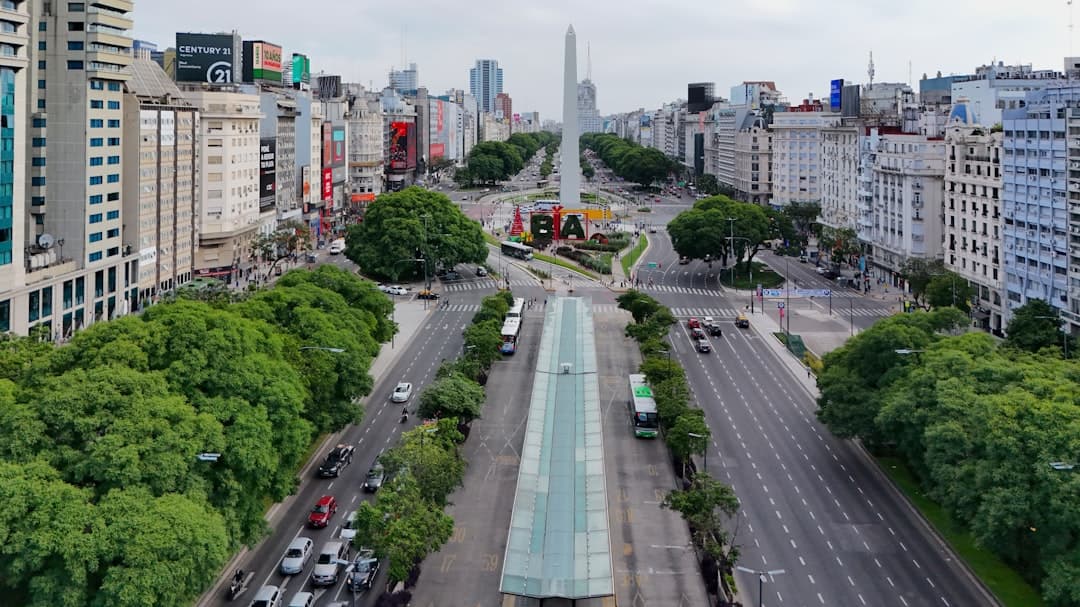
Few cultural traditions have proven as durable or as globally resonant as tango. Born in the late nineteenth century along the Río de la Plata, the dance form that emerged from the immigrant communities of Buenos Aires has since become inseparable from the city's international identity.
A UNESCO-Recognized Tradition
In 2009, UNESCO inscribed tango on its Representative List of the Intangible Cultural Heritage of Humanity, recognizing both Argentina and Uruguay as its cultural homes. The designation formalized what practitioners and urban historians had long observed: tango is not merely entertainment but a living social practice embedded in the rhythms of daily life in Buenos Aires.
The Milonga Circuit
Across the city, venues known as milongas operate as gathering spaces where dancers of all skill levels participate in what remains an active social tradition. Neighborhoods such as San Telmo, Palermo, and Almagro are recognized centers of tango activity, hosting regular events that attract both local residents and international visitors. The annual Buenos Aires Tango Festival, organized by the city government, draws participants from dozens of countries and is one of the largest events of its kind in the world.
Economic and Tourism Dimensions
Tango contributes measurably to Buenos Aires's tourism sector. Tango shows, academies, and related retail businesses form a significant segment of the cultural economy in the city center and in heritage districts. International travelers frequently cite tango experiences among their primary motivations for visiting Argentina, according to tourism promotion materials published by the Buenos Aires city government.
Transmission and Evolution
Tango academies throughout Buenos Aires continue to train new generations of dancers and musicians, ensuring the tradition is passed forward through formal instruction as well as informal apprenticeship. Contemporary practitioners have also developed hybrid styles that incorporate elements from other dance traditions, keeping the form in dialogue with broader global movements while preserving its foundational techniques.
The sustained institutional support from municipal authorities, combined with organic community participation, positions tango as both a heritage asset and a living cultural force within one of South America's largest cities.
Open Questions
How are younger generations in Buenos Aires engaging with tango compared to previous decades? What role do digital platforms and streaming services play in spreading tango culture beyond Argentina's borders?
This article was compiled with the support of advanced research technology, based on multiple verified sources, and reviewed by our editorial team.