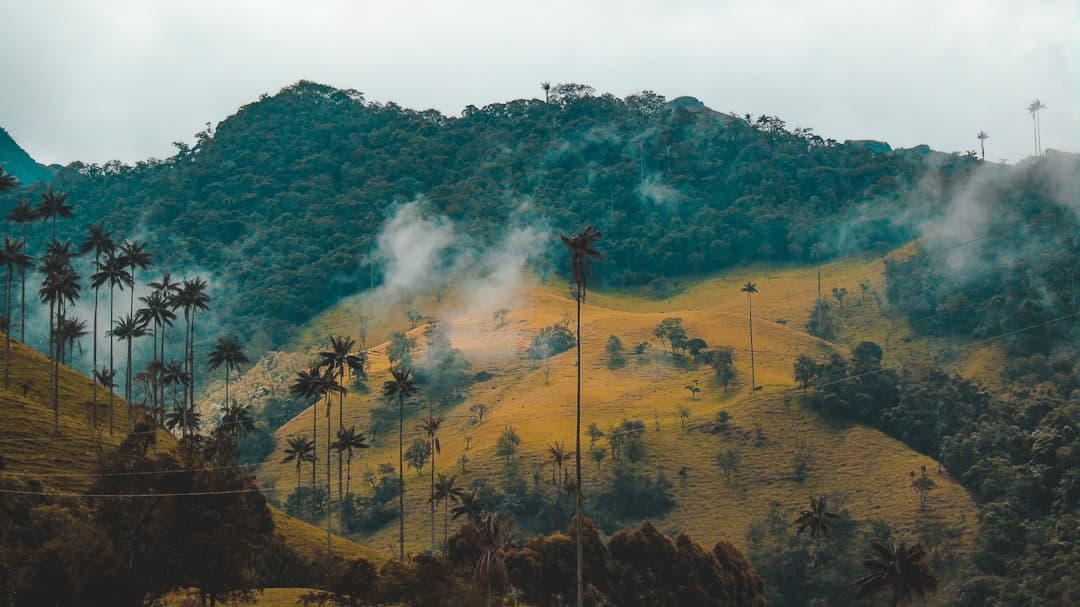
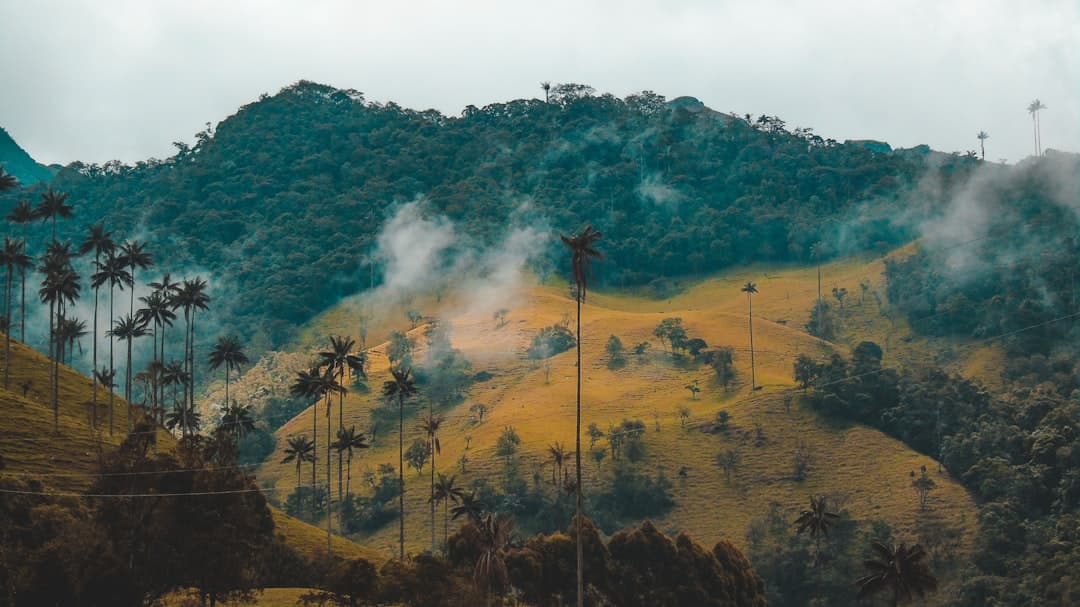
Brazil has experienced a marked rise in tourism activity in recent years, with demand concentrated in destinations defined by biodiversity and natural landscapes. The trend reflects a broader global shift toward environmentally oriented travel, often described as eco-tourism, in which visitors prioritize wildlife, conservation areas, and low-impact outdoor activities over traditional urban sightseeing.
Natural Reserves at the Forefront
The Amazon rainforest remains Brazil's most internationally recognized attraction, drawing visitors from Europe, North America, and Asia. Organized river expeditions, canopy walks, and community-based tourism programs have expanded in accessible gateway cities such as Manaus and Belém, allowing travelers to engage with the ecosystem through structured, guide-led experiences.
The Pantanal, the world's largest tropical wetland, has also registered growing visitor numbers. Known for high concentrations of wildlife including jaguars, capybaras, and hundreds of bird species, the region offers conditions rarely matched elsewhere in the hemisphere. Conservation lodges operating within the Pantanal have reported sustained demand, particularly from wildlife photography enthusiasts.
Infrastructure and Policy Context
Brazil's Ministry of Tourism has in recent periods prioritized investment in sustainable tourism corridors, aiming to balance visitor access with environmental protection. The Chapada Diamantina national park in Bahia and the Lençóis Maranhenses in Maranhão have both been incorporated into national and international promotional campaigns targeting eco-conscious travelers.
Airline connectivity to secondary Brazilian cities has improved incrementally, reducing the logistical barriers that historically limited eco-tourism to more experienced or resourced travelers. Domestic tourism within Brazil has similarly expanded, with Brazilian nationals increasingly choosing national parks and reserves as holiday destinations.
Regional Economic Impact
Communities adjacent to protected areas have developed service economies around tourism, including lodging, guiding, and artisan markets. Researchers and conservation organizations have noted that well-managed eco-tourism can generate local income streams that create economic incentives for preserving natural habitats rather than converting them to agriculture or extractive use.
Open Questions
Whether infrastructure expansion can keep pace with demand without degrading the ecosystems that attract visitors remains an unresolved challenge. The balance between access and conservation continues to be debated among government bodies, environmental groups, and the tourism industry.
Sources: Brazil Ministry of Tourism (gov.br), World Wildlife Fund Pantanal Program, UNESCO Natural Heritage designations, EMBRATUR promotional documentation.
This article was compiled with the support of advanced research technology, based on multiple verified sources, and reviewed by our editorial team.