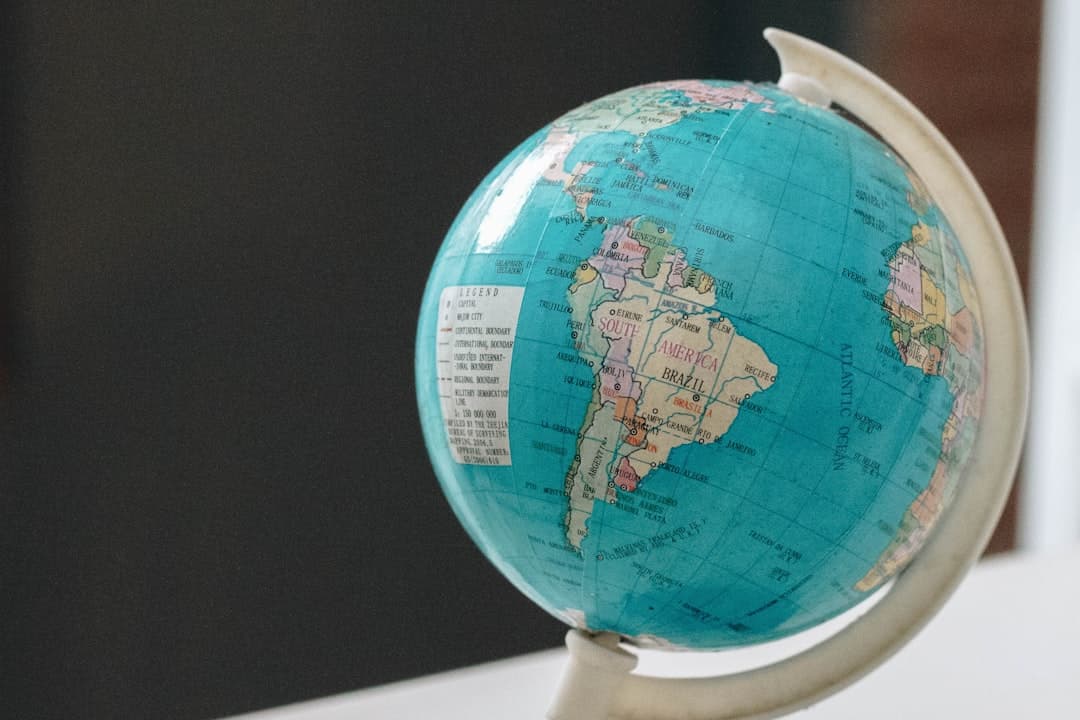
Brazil, the largest country in South America by both territory and population, has been consolidating its role as the preeminent regional power across Latin America through a combination of diplomatic outreach, economic integration, and multilateral leadership.
Diplomatic Engagement
Brazilian foreign policy has historically prioritized South-South cooperation, a framework that emphasizes partnerships among developing nations. Through institutions such as MERCOSUR, UNASUR, and CELAC, Brazil has consistently occupied a central position in shaping regional political dialogue. Its foreign ministry, Itamaraty, maintains one of the most extensive diplomatic networks in the Western Hemisphere.
Economic Ties and Trade
Brazil's economy remains the largest in Latin America and one of the largest globally, giving it substantial leverage in regional trade negotiations. Brazilian companies have expanded operations into sectors including energy, agriculture, construction, and financial services across multiple neighboring countries. The Brazilian Development Bank, BNDES, has historically financed infrastructure projects in countries ranging from Ecuador to Cuba, extending Brazil's economic footprint well beyond its borders.
Cultural and Soft Power
Brazilian culture, including music, sport, and media, carries broad regional appeal. The Portuguese language, while distinct from the Spanish spoken across much of Latin America, has not prevented Brazilian cultural exports from gaining wide audiences. Brazilian television, fashion, and football culture maintain strong regional followings.
Tensions and Limitations
Brazil's regional influence has not been without friction. Periods of domestic political instability have at times reduced Brazil's capacity for sustained foreign engagement. Neighboring countries have occasionally expressed concern over the scale of Brazilian corporate activity within their borders, particularly in the energy and construction sectors.
Despite these tensions, Brazil's structural advantages — geographic size, population, economic output, and institutional depth — continue to underpin its position as the dominant actor in Latin American affairs.
Open Questions
How will shifts in Brazil's domestic political landscape affect the continuity of its regional foreign policy? Can smaller Latin American nations effectively negotiate as equals within Brazil-led multilateral frameworks?
Sources: MERCOSUR official records, Brazilian Ministry of Foreign Affairs (Itamaraty), ECLAC regional economic reports, Council on Foreign Relations Latin America briefings, Inter-American Dialogue publications.
This article was compiled with the support of advanced research technology, based on multiple verified sources, and reviewed by our editorial team.