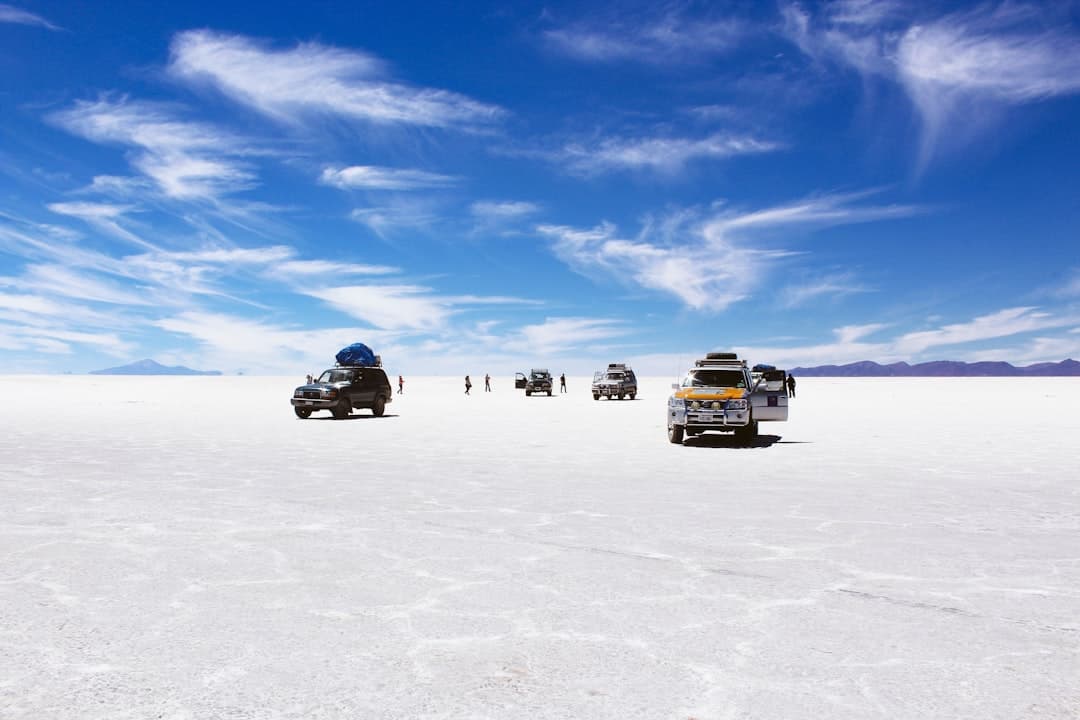
The Salar de Uyuni, stretching across more than 10,000 square kilometers in the southwestern Bolivian altiplano, has steadily transformed from a remote geological curiosity into a primary driver of the country's inbound tourism sector. The site, formed from prehistoric lake evaporation, draws visitors from across Europe, Asia, and the Americas, drawn by its otherworldly landscapes and rare natural phenomena.
A Landscape Unlike Any Other
During the rainy season, a thin layer of water covers the salt crust, creating a near-perfect mirror reflection of the sky that has made the location a widely circulated subject in travel photography and social media. The dry season exposes vast geometric salt polygons that extend to the horizon, offering a visual spectacle that few other destinations can replicate. The flats also border the Eduardo Avaroa Andean Fauna National Reserve, which adds wildlife-viewing opportunities to the regional itinerary.
Infrastructure and Regional Impact
The nearby town of Uyuni, historically a modest railway junction, has undergone measurable commercial expansion in response to tourism demand. Hotels, tour operators, and transport services have multiplied across the region. The city of Potosí, which lies within reasonable travel distance, has also recorded increased visitor traffic as travelers combine multiple attractions into extended itineraries through southwestern Bolivia.
Challenges Alongside Growth
Rapid visitor growth has prompted environmental and logistical concerns. The salt flat's fragile surface and surrounding ecosystems face pressure from increased vehicle traffic and inadequate waste management infrastructure in some areas. Bolivian authorities and conservation organizations have discussed regulatory frameworks aimed at managing visitor density, though implementation remains uneven across the region.
Bolivia has historically ranked among the less-visited nations in South America relative to neighbors such as Peru and Argentina. The international visibility of the Salar de Uyuni has functioned as a reputational anchor, generating broader curiosity about the country's additional attractions, including Lake Titicaca, the Amazon basin territories, and the colonial architecture of Sucre.
Open Questions
Whether Bolivia's tourism infrastructure can scale sustainably to match growing demand, and how environmental protections will be enforced at the site, remain subjects of ongoing policy discussion.
Sources: Bolivia Ministry of Tourism, UNESCO geographic records, Lonely Planet Bolivia destination guides, World Tourism Organization regional reports.
This article was compiled with the support of advanced research technology, based on multiple verified sources, and reviewed by our editorial team.