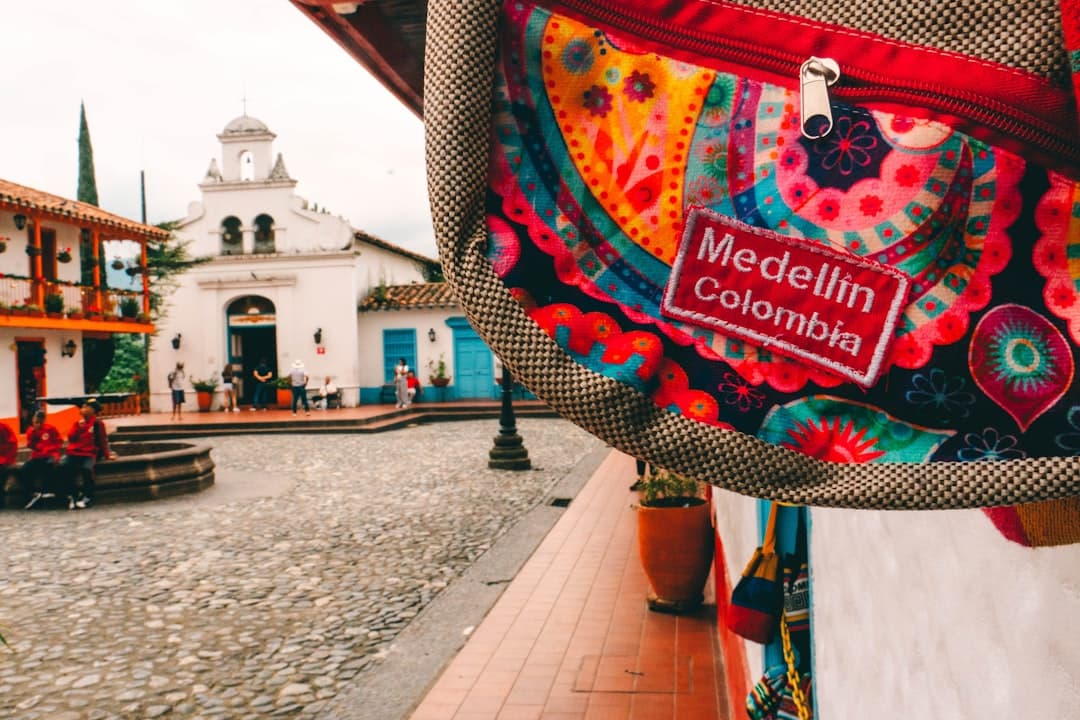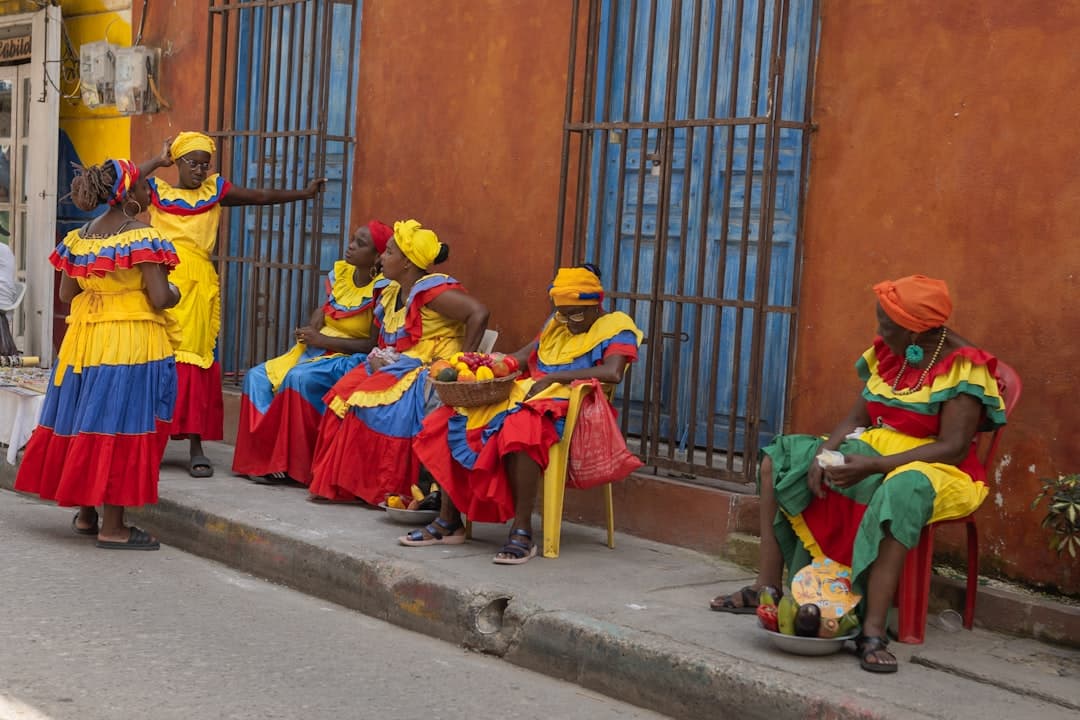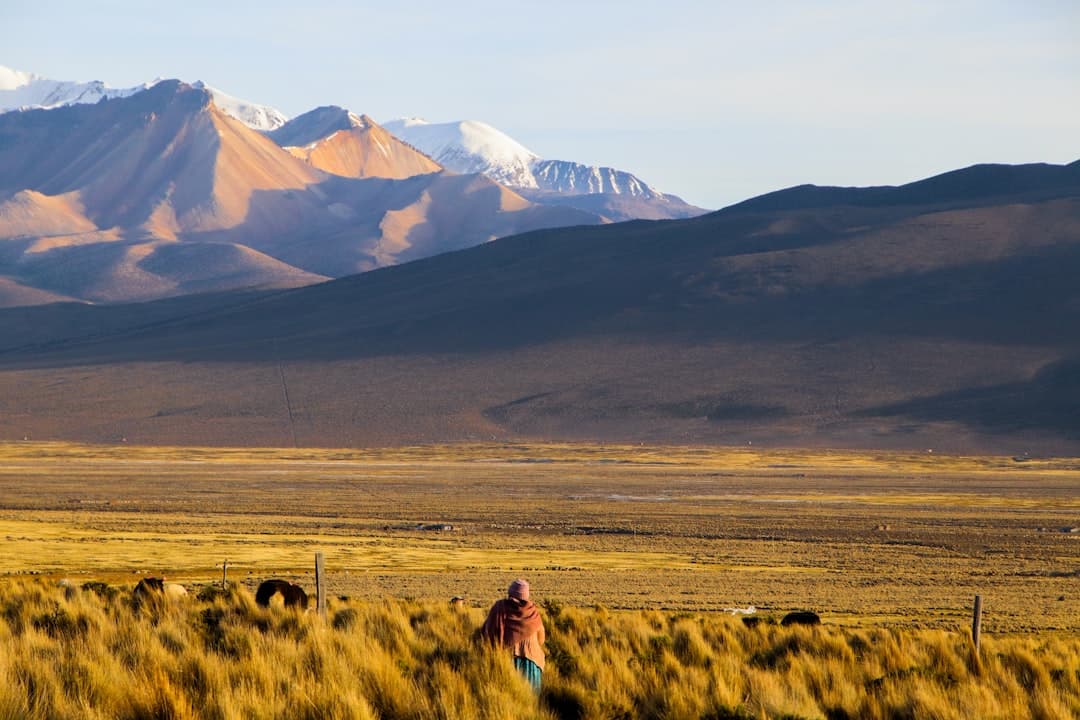
Bolivia is home to one of the most diverse indigenous populations in the Western Hemisphere, with over 30 recognized ethnic groups including the Quechua, Aymara, Guaraní, and Chiquitano peoples. This cultural plurality, long central to Bolivian national identity, has begun drawing sustained interest from international institutions, researchers, and travelers.
Textiles and Craft Traditions
Bolivian handwoven textiles, produced through techniques passed down across generations, have gained recognition in international markets and museum collections. The intricate patterns found in Andean weavings carry symbolic meaning rooted in cosmology, agricultural cycles, and community identity. Organizations focused on artisan trade have helped connect Bolivian weavers with buyers and collectors across Europe, North America, and Asia.
Festivals and Ceremony
Large-scale cultural events such as the Oruro Carnival, recognized by UNESCO as an Intangible Cultural Heritage of Humanity, draw visitors from across the globe each year. The festival blends pre-Columbian ritual with Catholic tradition, reflecting the syncretic nature of much of Bolivia's living culture. Other regional celebrations, including those tied to the Aymara New Year observed around the winter solstice, have also gained visibility through documentary coverage and social media.
Language Preservation Efforts
Bolivia's 2009 constitution granted official status to 36 indigenous languages alongside Spanish, a landmark policy shift that has supported renewed efforts in language documentation and education. International linguistic organizations and universities have partnered with Bolivian communities to archive and study languages that were historically marginalized.
Cultural Diplomacy
Bolivian delegations have participated in international cultural expos, film festivals, and academic conferences, presenting indigenous art, music, and philosophy to broader audiences. The country's plurinational framework has also attracted scholarly attention as a model for constitutional recognition of indigenous rights.
Open Questions
Whether increased international visibility translates into economic benefit for indigenous communities themselves, rather than external intermediaries, remains an ongoing concern among researchers and advocacy groups. The balance between cultural exchange and cultural appropriation also continues to be debated within Bolivia and abroad.
Sources: UNESCO Intangible Cultural Heritage Lists; Political Constitution of the Plurinational State of Bolivia (2009); Bolivian Ministry of Cultures and Tourism public records; academic literature on Andean ethnography.
This article was compiled with the support of advanced research technology, based on multiple verified sources, and reviewed by our editorial team.