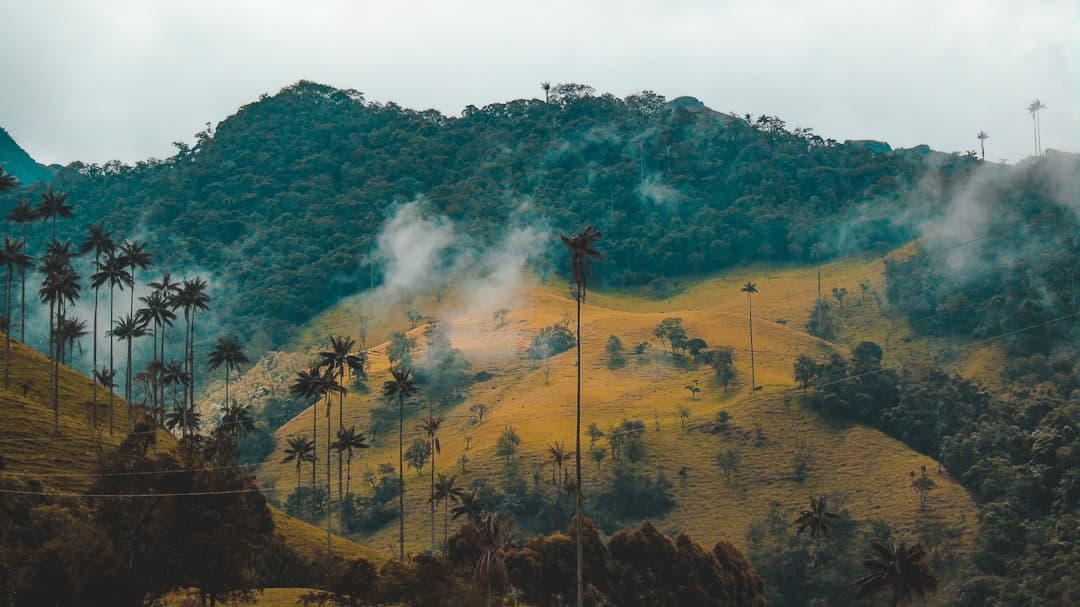
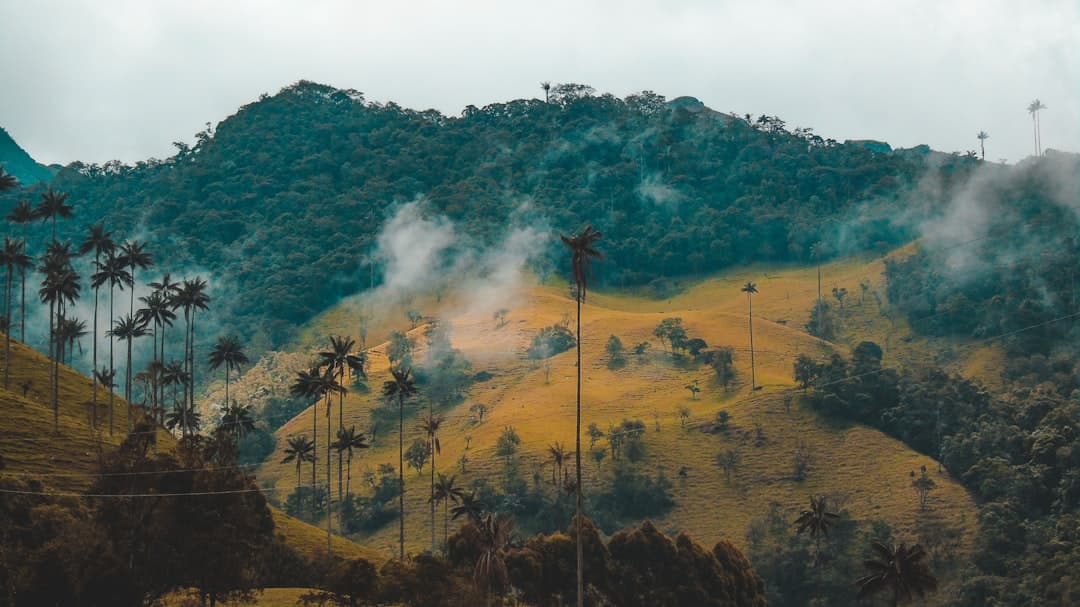
Bolivia's share of the Amazon Basin, stretching across the departments of Beni and Pando, has historically received far less tourist traffic than the Amazonian regions of Brazil, Peru, and Ecuador. That pattern appears to be shifting as travel operators and environmental groups turn their attention to the area's ecological richness and relative inaccessibility.
A Region Defined by Remoteness
The Bolivian Amazon encompasses vast wetlands, gallery forests, and river systems that drain northward into the broader Amazon watershed. The Beni department alone contains several protected areas, including the Madidi National Park, which scientists have described as one of the most biologically diverse protected areas on the planet. Madidi spans from Andean cloud forests down into lowland jungle, creating a layered range of ecosystems within a single park boundary.
The town of Rurrenabaque, situated on the Beni River, functions as the primary gateway for visitors entering both Madidi and the adjacent Pampas del Yacuma, a flooded savanna known for wildlife observation. Capybaras, pink river dolphins, caimans, and anacondas are among the species regularly encountered in the pampas zone.
Indigenous Communities and Ecotourism
Several indigenous communities in the region have developed community-based tourism programs that offer guided river and forest excursions. These initiatives are designed to generate local income while limiting environmental impact. Organizations working in sustainable development have documented similar models across the broader Amazon and point to the Bolivian examples as replicable frameworks.
Pando, Bolivia's northernmost and least populated department, remains largely uncharted for tourism infrastructure, though it contains old-growth Brazil nut forests and river routes that border both Brazil and Peru. Access requires multi-day overland or river travel from larger population centers.
Infrastructure and Access Challenges
Road conditions in the Bolivian lowlands vary considerably by season, with wet season flooding regularly cutting off ground routes. Small regional airports serve Rurrenabaque and Trinidad, though flight availability fluctuates. Travelers and operators consistently identify transportation logistics as the primary constraint on tourism growth in the area.
Open Questions
How will increased visitor interest affect conservation commitments within protected areas such as Madidi? What role will national and departmental governments play in infrastructure investment versus environmental protection?
Sources: Bolivia's Ministry of Environment and Water (MMAyA), Madidi National Park official records, SERNAP (Bolivia's National Protected Areas Service), general geographic and ecological documentation from conservation literature.
This article was compiled with the support of advanced research technology, based on multiple verified sources, and reviewed by our editorial team.