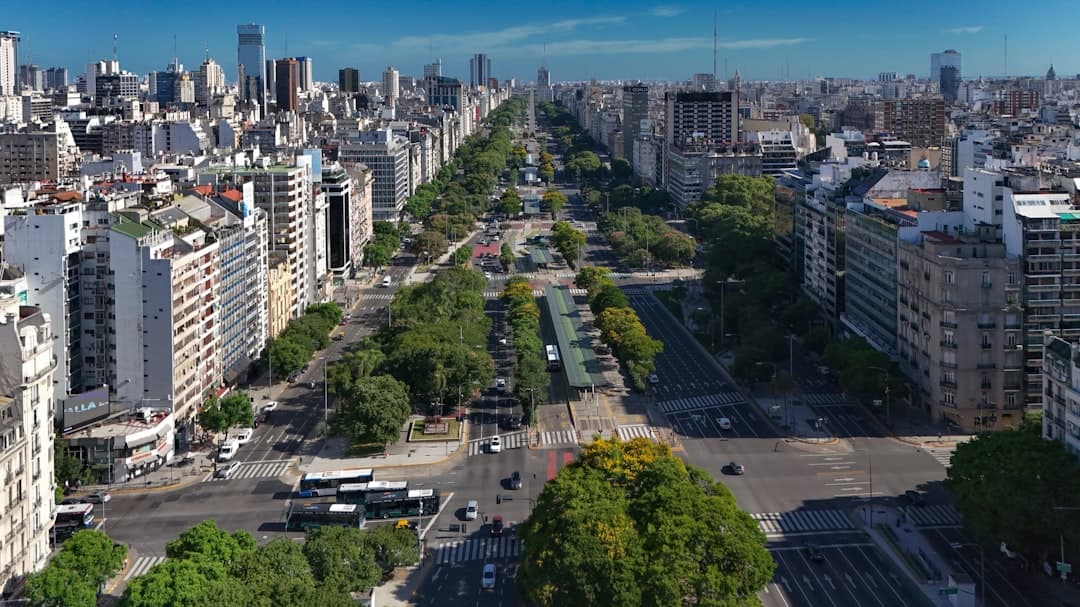
Argentina's most visited sites — Buenos Aires, Bariloche, and the Iguazú Falls — continue to attract international travelers, yet a growing body of travel research and regional government promotion points to destinations across the country that receive a fraction of that traffic despite comparable natural and cultural value.
The Northwest Altiplano
The province of Jujuy, particularly the Puna region, offers high-altitude salt flats, colonial villages, and pre-Columbian archaeological sites. The Salinas Grandes salt flat and the Quebrada de Humahuaca — a UNESCO World Heritage Site — are accessible but remain significantly less crowded than comparable attractions in neighboring Bolivia and Chile. The region's festivals, rooted in Andean indigenous traditions, follow a calendar tied to agricultural and astronomical cycles.
The Iberá Wetlands
Located in Corrientes province, the Iberá wetlands form one of the largest freshwater ecosystems in South America. The area has been the site of large-scale wildlife reintroduction programs, including jaguar and giant anteater populations. Ecotourism infrastructure has expanded in recent years, with lodges and guided boat tours now operating across several access points including the town of Colonia Carlos Pellegrini.
Los Alerces National Park
Situated in Chubut province in northern Patagonia, Los Alerces protects ancient alerce trees — some estimated to be over 2,000 years old — along with glacial lakes and rivers. The park received UNESCO World Heritage designation in 2017 and remains far less trafficked than the Los Glaciares park to the south, which encompasses Perito Moreno glacier.
The Atlantic Coast Beyond Mar del Plata
The Buenos Aires province coastline extends well beyond the city of Mar del Plata, with smaller towns such as Monte Hermoso and Pehuén-Có offering protected beaches and dune ecosystems. These areas also contain notable paleontological sites where dinosaur and megafauna fossils have been documented by Argentine researchers.
Open Questions
Whether regional transport infrastructure will expand sufficiently to accommodate increased visitor volumes without straining local ecosystems remains an open concern for provincial governments and conservation organizations.
Sources: UNESCO World Heritage List, Argentina's National Parks Administration (Administración de Parques Nacionales), Corrientes Province Tourism Secretariat, CONICET paleontological research records.
This article was compiled with the support of advanced research technology, based on multiple verified sources, and reviewed by our editorial team.