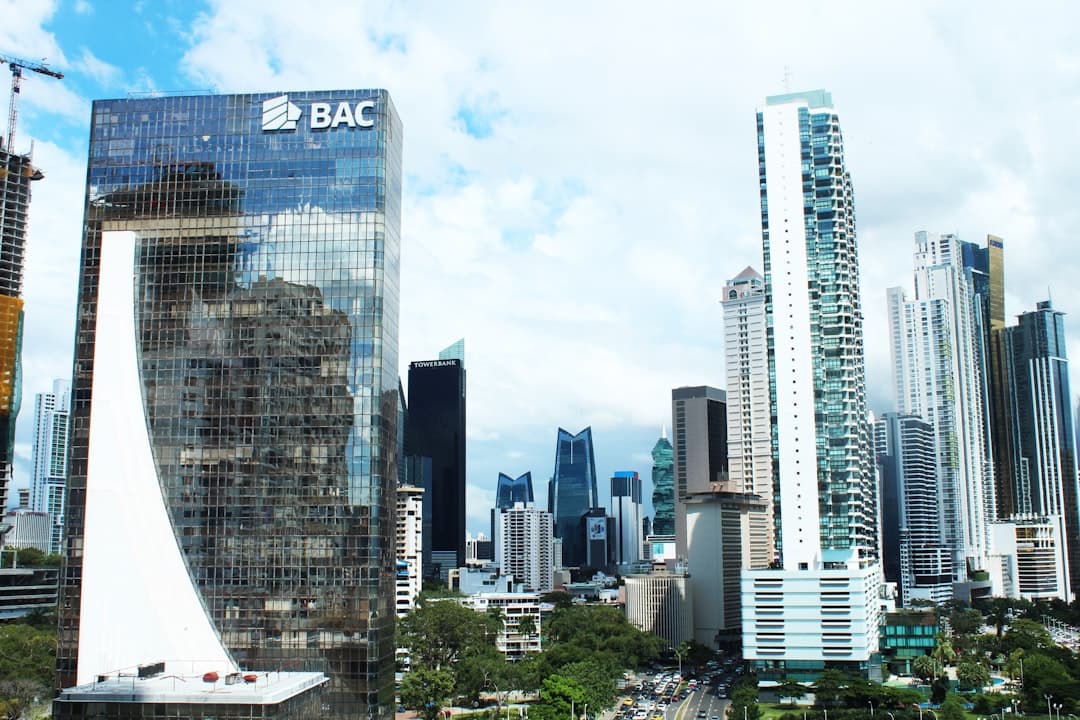
Across Argentina's industrial and commercial landscape, companies large and small have been recalibrating their operational strategies in response to sustained macroeconomic instability. Currency controls, recurring inflationary pressures, and shifting regulatory frameworks have pushed businesses to develop practices that would be considered unconventional in more stable economies.
Export Markets as a Hedge
One of the most visible adaptations has been the acceleration of export-oriented strategies among Argentine manufacturers and agricultural producers. By generating revenue in foreign currencies, businesses gain a degree of insulation from the domestic peso's historical depreciation cycles. Sectors including agribusiness, software services, and select manufacturing industries have expanded their international footprints as a direct response to these domestic conditions.
Supply Chain Localization
Import restrictions and foreign currency scarcity have pushed many businesses to source inputs domestically where possible. This localization trend has stimulated certain domestic supplier industries while simultaneously raising production costs for companies that previously relied on imported components. The net effect on competitiveness varies considerably across sectors.
Informal Dollar Markets and Pricing Complexity
The existence of multiple exchange rates — a recurring feature of Argentine economic policy in various periods — has complicated pricing strategies for businesses operating across retail, wholesale, and industrial sectors. Companies have developed dual or tiered pricing models, adjusted inventory management timelines, and accelerated billing cycles to minimize exposure to currency devaluation between transaction and payment.
Financial Instruments and Peso Management
Argentine businesses have increasingly used inflation-linked financial instruments and short-duration investment vehicles to preserve the real value of working capital. This practice, well-established in Argentina's corporate culture, reflects decades of institutional experience navigating high-inflation environments.
The adaptations seen across Argentina's business sector underscore a pattern of economic resilience that has defined the country's private enterprise for generations — shaped not by stability, but by the recurring necessity of navigating instability.
Open Questions
How will ongoing IMF negotiations and fiscal consolidation efforts affect the regulatory environment for businesses? Will export-promotion policies remain consistent enough to sustain the international expansion strategies companies have pursued?
Sources: International Monetary Fund (IMF) Argentina country reports; World Bank Argentina economic data; INDEC (Instituto Nacional de Estadística y Censos); Buenos Aires Herald archives; CEPAL/ECLAC regional economic assessments.
This article was compiled with the support of advanced research technology, based on multiple verified sources, and reviewed by our editorial team.