Argentina's vast and ecologically diverse territory — spanning glacial fields, wetlands, high-altitude deserts, and dense rainforests — has positioned the country as a rising destination for travelers seeking nature-based experiences with minimal environmental footprint.
A Geography Built for Green Travel
The country's national park system, administered by the Administración de Parques Nacionales, covers millions of hectares across dramatically different biomes. Los Glaciares National Park in Santa Cruz province, a UNESCO World Heritage Site, draws visitors to the Perito Moreno glacier and surrounding Andean landscapes. In the far northeast, Iguazú National Park protects one of the largest waterfall systems in the world and serves as critical habitat for jaguars, tapirs, and hundreds of bird species.
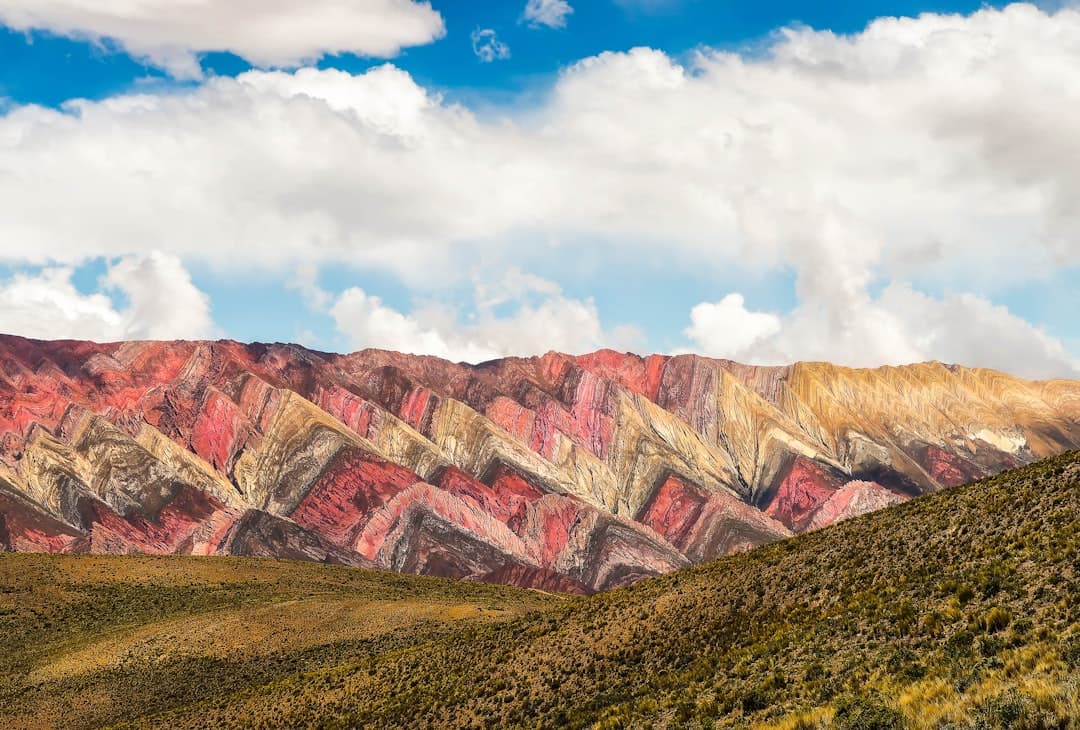
In the northwestern province of Jujuy, the Quebrada de Humahuaca — another UNESCO-listed site — has seen growing interest in community-based tourism that connects visitors with Indigenous Andean culture alongside the area's striking geology.
Infrastructure and Certification
Argentine tourism authorities have worked to develop certification frameworks that distinguish genuine eco-tourism operations from conventional travel marketed with environmental language. Accommodations and tour operators seeking recognition must meet criteria related to waste management, local hiring practices, and land-use impact.
The Iberá wetlands in Corrientes province have become a notable example of conservation-linked tourism. The rewilding efforts led by Tompkins Conservation and later continued by local and national partners have reintroduced species including jaguars and giant anteaters, creating wildlife corridors that also serve as tourism infrastructure.
Economic and Cultural Dimensions
Rural and Indigenous communities across the country have increasingly participated in eco-tourism as a source of income that does not depend on extractive industries. Provincial governments in Neuquén, Chubut, and Misiones have developed programs to support small-scale operators in areas adjacent to protected zones.
The model presents both opportunity and risk, as increased visitor numbers — even under eco-tourism frameworks — can generate pressure on fragile ecosystems if not carefully managed.
Open Questions
How effectively are Argentina's certification standards enforced across remote regions? Can community-based tourism models scale without replicating the pressures of mass tourism? And as climate change alters glacial and wetland ecosystems, what adjustments will protected-area management require?
Sources: Administración de Parques Nacionales Argentina (parquesnacionales.gob.ar), UNESCO World Heritage List, Tompkins Conservation, Argentina's Secretaría de Turismo y Deportes, Rewilding Argentina Foundation
This article was compiled with the support of advanced research technology, based on multiple verified sources, and reviewed by our editorial team.