Argentina has long offered some of South America's most dramatic natural scenery, and international travelers are increasingly choosing to experience it from behind the wheel. Routes crossing the Andes, threading through the Lake District, and tracing the Atlantic coastline have gained recognition among road travel communities in North America, Europe, and beyond.
Landmark Routes Attracting International Attention
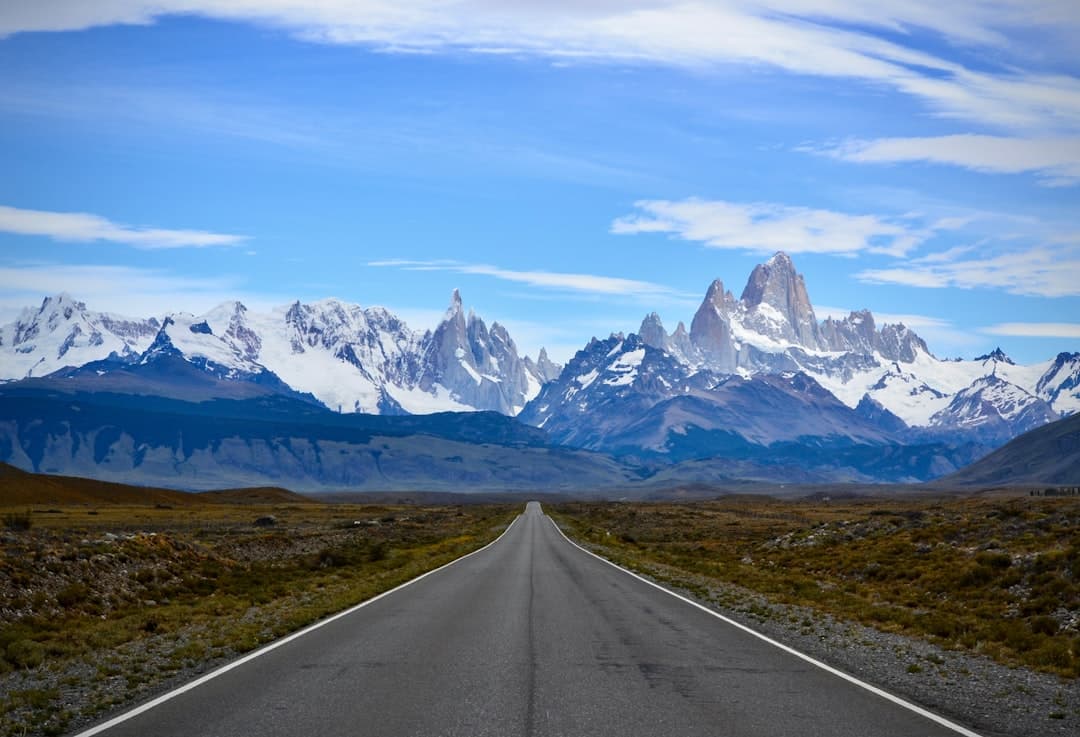
Among the most recognized corridors is Ruta 40, the legendary highway that runs along the eastern flank of the Andes from the province of Jujuy in the north to Santa Cruz in the south. Spanning a significant portion of the country's length, it passes through archaeological sites, high-altitude desert, and remote Patagonian steppe. Travel publications and overland communities have repeatedly highlighted the route as one of the world's premier long-distance drives.
The Seven Lakes Road in the Neuquén and Río Negro provinces has similarly drawn attention for its succession of glacially formed lakes framed by Andean peaks. The route connects the resort town of San Martín de los Andes with Villa La Angostura and serves as a key segment of the broader Patagonia circuit favored by international visitors.
Infrastructure and Accessibility
Argentina's road network covers a substantial portion of its territory, and ongoing government investment in paving and upgrading provincial routes has made previously remote areas more accessible to standard vehicles. International rental agencies operating in Buenos Aires, Mendoza, and Bariloche offer services suited to extended overland travel, lowering barriers for visitors unfamiliar with local logistics.
Mendoza province, anchored by its internationally recognized wine industry, has also emerged as a road travel hub. Routes through the Uco Valley and toward the Aconcagua provincial park combine agricultural scenery with high-altitude terrain, appealing to travelers seeking varied landscapes within a single region.
Broader Regional Context
Argentina's road tourism growth reflects a wider trend across South America, where overland travel has expanded as an alternative to conventional air-and-hotel itineraries. Countries including Chile, Bolivia, and Peru have similarly seen increased interest in self-driven or guided road experiences, with cross-border circuits gaining traction among long-haul travelers.
Open Questions
Whether Argentina's road infrastructure investment will keep pace with growing visitor demand in remote Patagonian zones remains an open question, as does the long-term environmental impact of increased vehicle traffic through protected natural areas.
Sources: Argentina's National Tourism and Sports Ministry (MINTURDEP), Automóvil Club Argentino, UNESCO World Heritage records, publicly available travel route documentation.
This article was compiled with the support of advanced research technology, based on multiple verified sources, and reviewed by our editorial team.