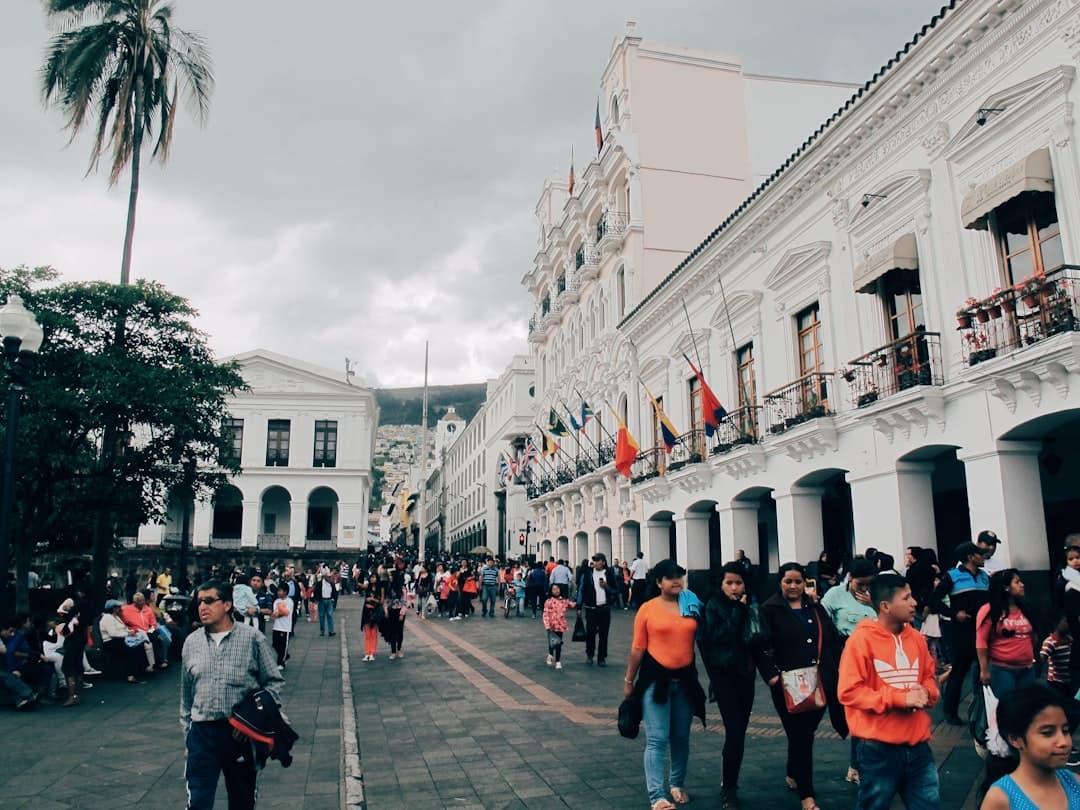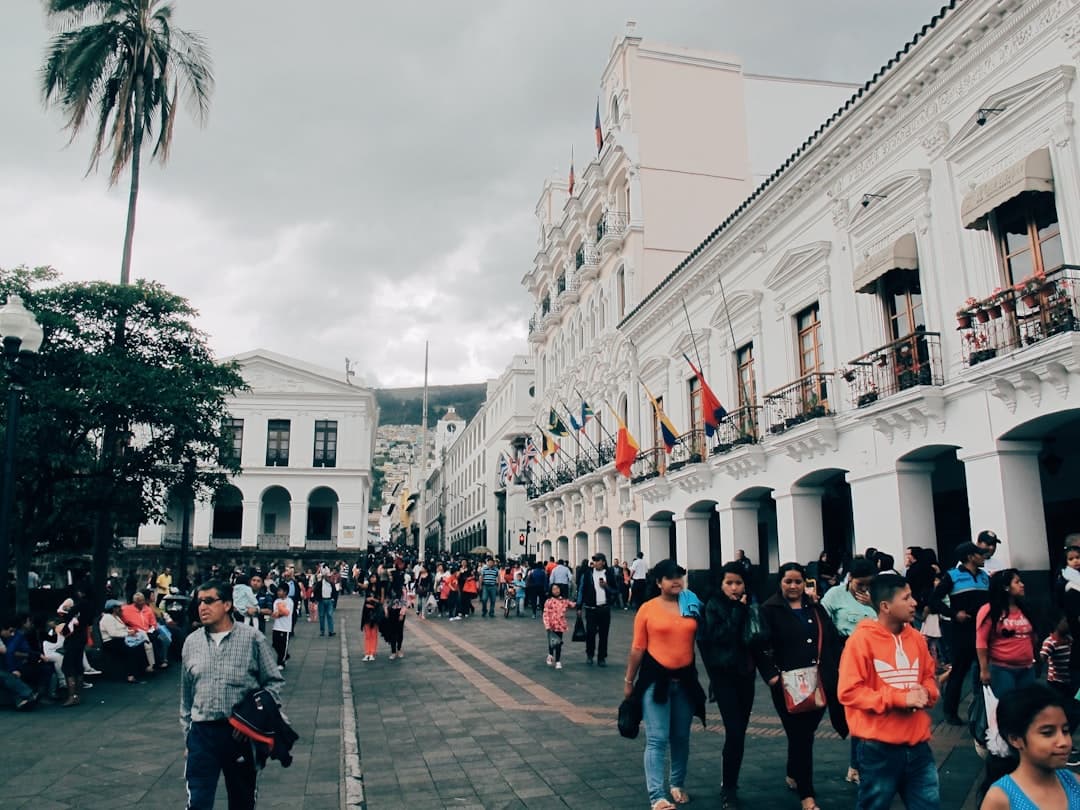
Across South America, the generation born roughly between the late 1990s and early 2010s — commonly referred to as Generation Z — has emerged as a significant force in reshaping how societies communicate, consume, organize politically, and understand cultural identity. The shifts are visible in urban centers from Buenos Aires to Bogotá, and increasingly in rural and Indigenous communities as well.
Digital Platforms as Cultural Infrastructure
Gen Z in South America came of age with widespread smartphone access and high mobile data penetration, conditions that have made digital platforms central to cultural production rather than peripheral to it. Music genres such as Brazilian funk, Argentine trap, and Colombian urbano have reached global audiences largely through the content creation and sharing habits of young people in those countries. Streaming platforms have recorded surging interest in Spanish- and Portuguese-language content produced locally, a trend driven in significant part by Gen Z audiences who favor regional storytelling over imported formats.
Social media has also become a primary vehicle for political expression. Youth-led movements in Chile, Colombia, and Brazil have organized large-scale demonstrations through digital networks, with Gen Z participants playing central roles in street protests as well as online campaigns. These movements have addressed a range of issues including pension reform, police violence, environmental policy, and educational access.
Shifts in Consumer Behavior and the Economy
Retailers, brands, and financial institutions across the region have adjusted their strategies in response to Gen Z's distinct economic behaviors. This generation shows a measurable preference for companies that demonstrate commitments to sustainability, social equity, and transparency. The informal and gig economy has absorbed a significant share of young workers, reflecting both structural employment challenges and a generational preference for flexible work arrangements.
The growth of fintech in countries such as Brazil, Colombia, and Argentina has been closely tied to Gen Z adoption. Young adults who were underserved or excluded from traditional banking have embraced digital payment platforms and mobile wallets at rates that have disrupted incumbent financial institutions.
Language, Identity, and Cultural Heritage
A notable and sometimes unexpected dimension of Gen Z's cultural influence is its engagement with Indigenous and Afro-descendant heritage. In Peru, Bolivia, and Ecuador, younger generations have participated in efforts to revitalize Quechua, Aymara, and other ancestral languages, including through social media content produced in those languages. This represents a departure from prior generations for whom assimilation into dominant Spanish-speaking culture was often considered a prerequisite for social mobility.
In Brazil, Afro-Brazilian cultural practices including capoeira, candomblé, and traditional Northeastern rhythms have found renewed visibility through young creators who use digital platforms to document and celebrate those traditions. Scholars of Latin American culture have documented a broader generational reassessment of national identity that moves away from homogenizing narratives toward a recognition of pluralism.
Tensions and Contradictions
The cultural shifts attributed to Gen Z are not uniform or without friction. Economic inequality remains severe across the continent, and access to digital tools, quality education, and stable employment varies sharply by class, race, and geography. The cultural visibility of Gen Z in urban, connected environments does not always reflect conditions faced by young people in peripheral communities.
Intergenerational tensions have also surfaced in political and family contexts, as Gen Z's positions on gender roles, sexuality, environmental urgency, and institutional authority frequently diverge from those of older cohorts. These tensions have manifested in electoral politics, with generational divisions appearing in voting patterns across multiple recent national elections.
South America's Gen Z does not constitute a monolithic bloc, but the collective weight of its preferences, behaviors, and civic engagement is reshaping institutions and cultural norms in ways that researchers, governments, and the private sector are still working to fully understand.
Open Questions
How will ongoing economic instability across the region affect Gen Z's long-term political radicalization or moderation? Will Indigenous language revival efforts sustain momentum beyond social media visibility? And as Gen Z enters positions of institutional power, how will its documented values translate — or fail to translate — into policy?
Sources: ECLAC (United Nations Economic Commission for Latin America and the Caribbean), Reuters, BBC Mundo, Pew Research Center global youth studies, LASA (Latin American Studies Association) publications, World Bank regional economic reports.
This article was compiled with the support of advanced research technology, based on multiple verified sources, and reviewed by our editorial team.