South America holds one of the most diverse concentrations of cultural heritage on the planet. Spanning thousands of years of continuous human civilization, the continent's legacy includes ancient stone cities, living indigenous languages, sacred ceremonial sites, and colonial-era urban centers that have been recognized by international bodies as irreplaceable. Across the region, a broad coalition of governments, universities, indigenous communities, and international organizations has mobilized to ensure that this heritage survives into future generations.
UNESCO and the World Heritage Framework
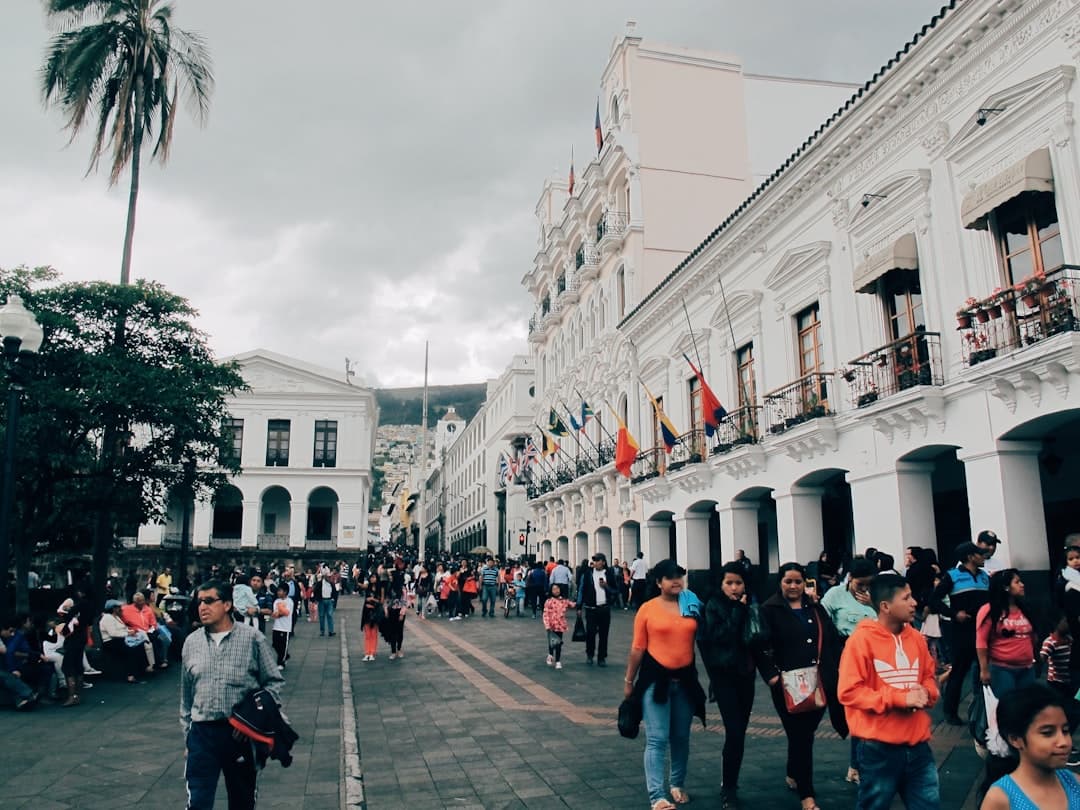
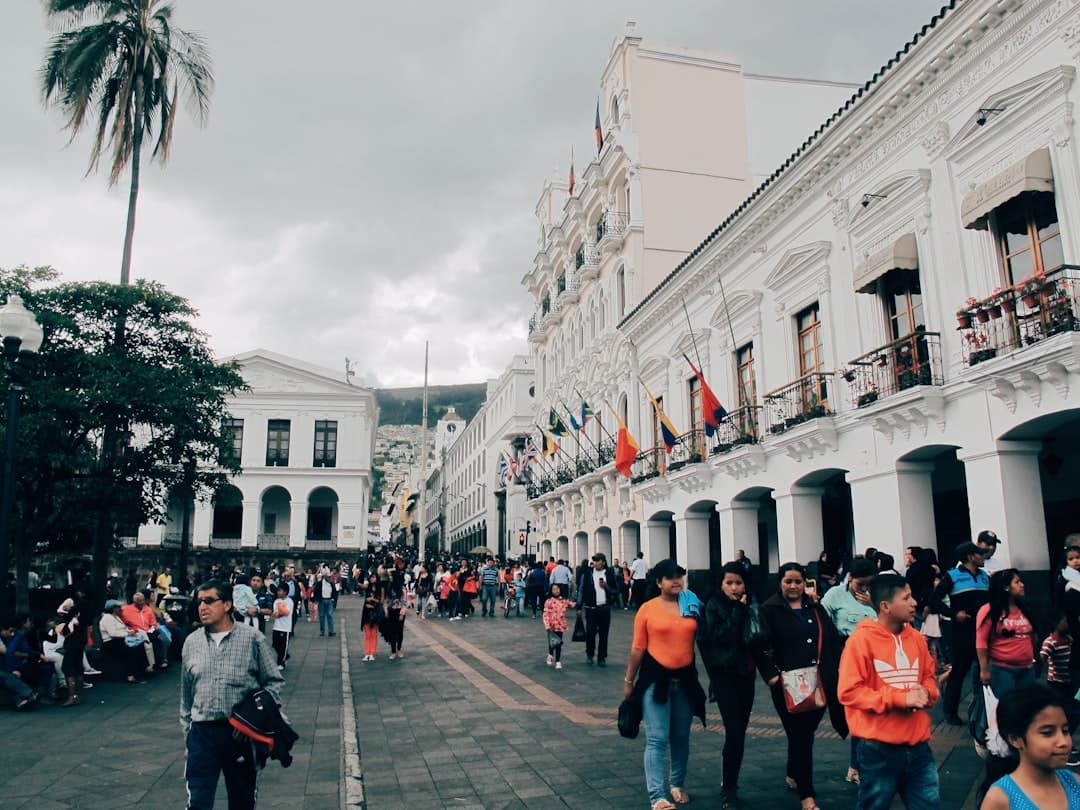
The United Nations Educational, Scientific and Cultural Organization (UNESCO) has designated numerous South American sites on its World Heritage List, a classification that brings both international attention and access to preservation resources. Sites such as Machu Picchu in Peru, the historic center of Quito in Ecuador, and the Jesuit Missions of the Guaraní spanning Argentina, Brazil, and Paraguay have all received this designation. The listing process requires participating nations to submit detailed management and conservation plans, creating a formal structure for long-term stewardship.
However, UNESCO designation alone does not guarantee preservation. Many listed sites face ongoing threats from tourism pressure, climate change, illegal excavation, and urban encroachment. Peruvian authorities have worked alongside international conservation bodies for years to manage erosion and infrastructure stress at Machu Picchu, one of the most visited archaeological sites in the Western Hemisphere.
Indigenous-Led Preservation Efforts
Beyond institutional frameworks, indigenous communities throughout South America have pursued preservation on their own terms. In Bolivia, Quechua and Aymara communities have partnered with academic institutions to create digital archives of oral histories, traditional agricultural knowledge, and ceremonial practices. Similar initiatives exist in Colombia, where several Amazonian communities have collaborated with linguists to document languages that have fewer than a few hundred remaining speakers.
These community-driven projects reflect a broader shift in how cultural preservation is approached across the continent. Earlier models often centered on external experts extracting and cataloguing cultural knowledge. More recent frameworks emphasize local ownership, with communities retaining control over how their heritage is recorded, stored, and shared.
Colonial Architecture and Urban Heritage
South America's colonial cities present a different set of preservation challenges. Cities such as Cartagena in Colombia, Cusco in Peru, and Salvador in Brazil contain extensive historic districts where centuries-old structures exist alongside modern urban development. National heritage agencies in these countries maintain registries of protected buildings and regulate construction and renovation within designated historic zones.
Funding remains a persistent obstacle. Restoration work on colonial structures requires specialized materials and skilled craftspeople, both of which have become scarcer and more expensive. Some governments have introduced tax incentive programs to encourage private owners of heritage properties to invest in their maintenance, with mixed results across different national contexts.
The Role of Digital Technology
Advances in digital technology have opened new avenues for cultural preservation across the continent. Three-dimensional scanning and photogrammetry have been applied at several Andean archaeological sites, creating detailed digital records that can survive even if physical sites deteriorate. The National Museum of Brazil, which suffered a catastrophic fire in 2018 and lost a substantial portion of its collection, has since pursued digital reconstruction efforts to recover at least partial records of what was destroyed.
Universities in Argentina, Chile, and Brazil have developed digitization programs targeting historical documents, photographs, and audiovisual materials held in regional archives. These efforts are often supported by international partnerships with institutions in Europe and North America.
Challenges That Persist
Despite the scale and variety of these efforts, preservation work across South America continues to face structural challenges. Political instability, underfunding, and competing land-use pressures create an environment where long-term conservation plans can be disrupted. Climate change poses an accelerating threat, with increased rainfall, flooding, and temperature fluctuations affecting both archaeological sites and fragile documentary materials.
The preservation of South America's cultural heritage remains an ongoing process rather than a completed project — one shaped by negotiation between communities, governments, and the physical realities of a changing environment.
Open Questions
How will rising tourism revenues be balanced against the physical limits of fragile archaeological sites? Can digital archives fully substitute for the loss of physical heritage? What legal frameworks are needed to return cultural artifacts currently held in overseas collections?
Sources: UNESCO World Heritage Centre (whc.unesco.org), Ministerio de Cultura del Perú, IPHAN (Instituto do Patrimônio Histórico e Artístico Nacional, Brazil), Smithsonian Institution — Latin American Studies resources, National Museum of Brazil recovery documentation.
This article was compiled with the support of advanced research technology, based on multiple verified sources, and reviewed by our editorial team.