Across South America, investment in renewable energy infrastructure has accelerated markedly, driven by advances in solar photovoltaic systems, wind power generation, and emerging green hydrogen production. Several nations in the region have expanded their energy grids to incorporate these technologies at a pace that outpaces many comparable economies globally.
Solar and Wind Expansion
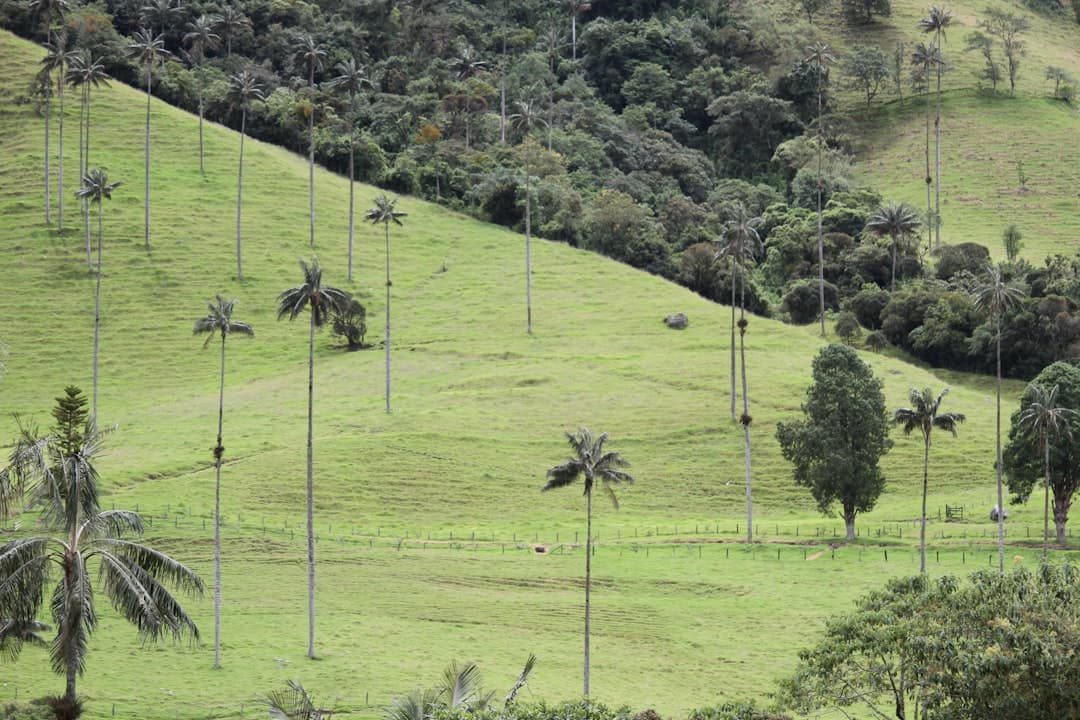
Countries such as Chile, Brazil, and Argentina have significantly increased their installed capacity for solar and wind energy over the past decade. Chile's Atacama Desert, recognized as one of the highest-irradiance zones on Earth, has become a focal point for large-scale photovoltaic development. The region's geography — encompassing vast plains, coastal zones, and elevated plateaus — provides favorable natural conditions for capturing both solar radiation and wind currents at industrial scale.
Brazil, historically reliant on hydroelectric power, has diversified its energy mix through extensive wind farm development concentrated in the northeastern states, where consistent coastal wind patterns support high-capacity generation. Research conducted at federal universities and energy institutes has contributed to improvements in turbine design adapted to regional climatic conditions.
Green Hydrogen as an Emerging Frontier
Green hydrogen — produced through electrolysis powered by renewable electricity — has attracted scientific and industrial attention across the region. Chile has positioned itself as a subject of international research interest in this domain, given its combination of renewable resource abundance and proximity to Pacific export routes. Brazil and Colombia have also initiated research programs examining hydrogen's potential role in industrial decarbonization processes.
The underlying technology involves passing an electric current through water to separate hydrogen and oxygen molecules. When the electricity source is renewable, the resulting hydrogen carries a near-zero carbon profile across its production chain, a property that distinguishes it from hydrogen derived from fossil fuel reforming.
Grid Integration and Storage Research
A parallel area of scientific development involves grid-scale energy storage, particularly lithium-ion battery arrays and pumped hydroelectric storage. South America holds a significant share of the world's known lithium reserves, concentrated in the so-called Lithium Triangle spanning Argentina, Bolivia, and Chile. Research institutions across the region have examined the electrochemical properties of lithium extraction and refinement processes as they relate to battery technology scalability.
Open Questions
Ongoing scientific debate surrounds the long-term ecological impacts of large solar installations on arid ecosystems, the water consumption requirements of green hydrogen electrolysis in drought-prone areas, and the lifecycle carbon accounting of battery storage systems at scale.
Sources: International Renewable Energy Agency (IRENA) regional reports; Economic Commission for Latin America and the Caribbean (ECLAC) energy assessments; peer-reviewed publications in journals including Energy Policy and Renewable and Sustainable Energy Reviews; national energy ministries of Brazil, Chile, and Argentina.
This article was compiled with the support of advanced research technology, based on multiple verified sources, and reviewed by our editorial team. This text is for scientific information purposes only and does not constitute instructions, advice or recommendations.