South America's scientific landscape has undergone a notable transformation over recent decades, with research institutions in Brazil, Chile, Argentina, Colombia and Peru generating findings that have drawn international attention across multiple disciplines.
Biodiversity and Environmental Science
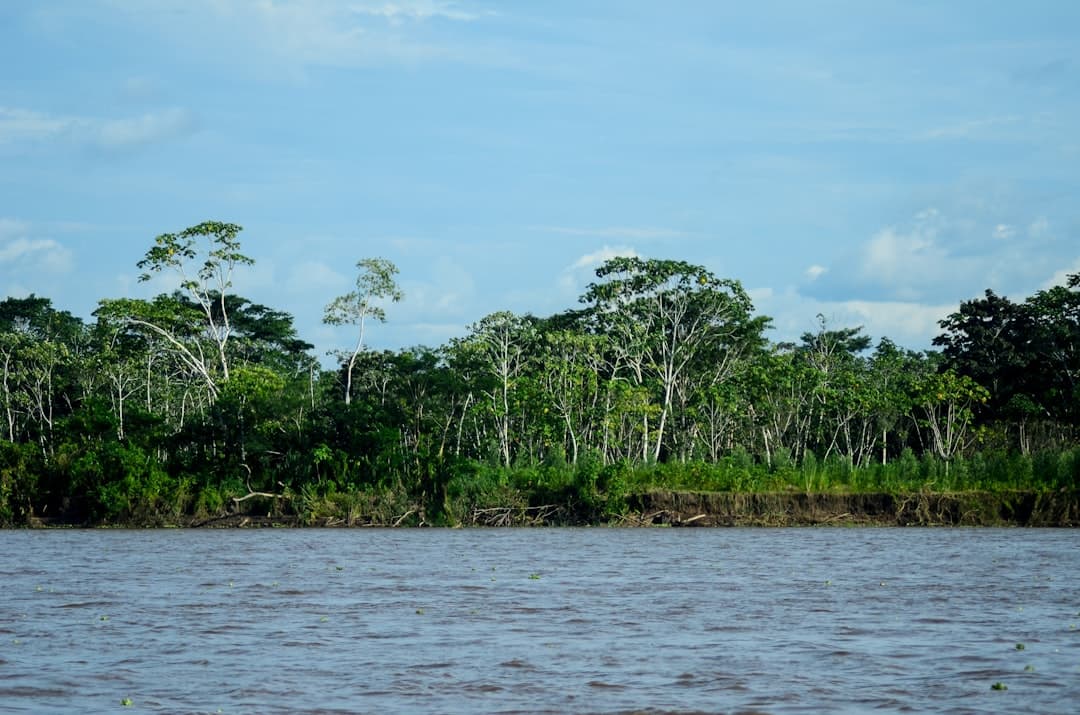
The Amazon Basin, home to the largest tropical rainforest on Earth, has long served as a natural laboratory for ecological and biological research. Studies conducted in collaboration between South American universities and international partners have documented previously unknown species at a rate that continues to reshape understanding of global biodiversity. Research into the chemical compounds produced by Amazonian flora has also contributed to broader pharmacological knowledge, with molecular analyses revealing complex biological mechanisms that scientists are actively studying.
Astronomy From the Atacama
Chile's Atacama Desert, recognized for its extreme atmospheric clarity and high altitude, hosts some of the most powerful ground-based telescopes in operation. Observations conducted at facilities such as the Atacama Large Millimeter Array (ALMA) and the European Southern Observatory have contributed to discoveries concerning the formation of planetary systems, the behavior of black holes and the large-scale structure of the universe. The region's natural conditions make it one of the most scientifically productive observation sites on the planet.
Medical and Genomic Research
Argentina and Brazil have expanded their capacities in genomic research, with institutions mapping genetic diversity among Indigenous populations and studying disease vectors endemic to tropical and subtropical environments. Research into Chagas disease, leishmaniasis and arboviruses such as dengue and Zika has produced detailed epidemiological models that contribute to the global scientific understanding of vector-borne transmission dynamics.
Regional Collaboration and Infrastructure
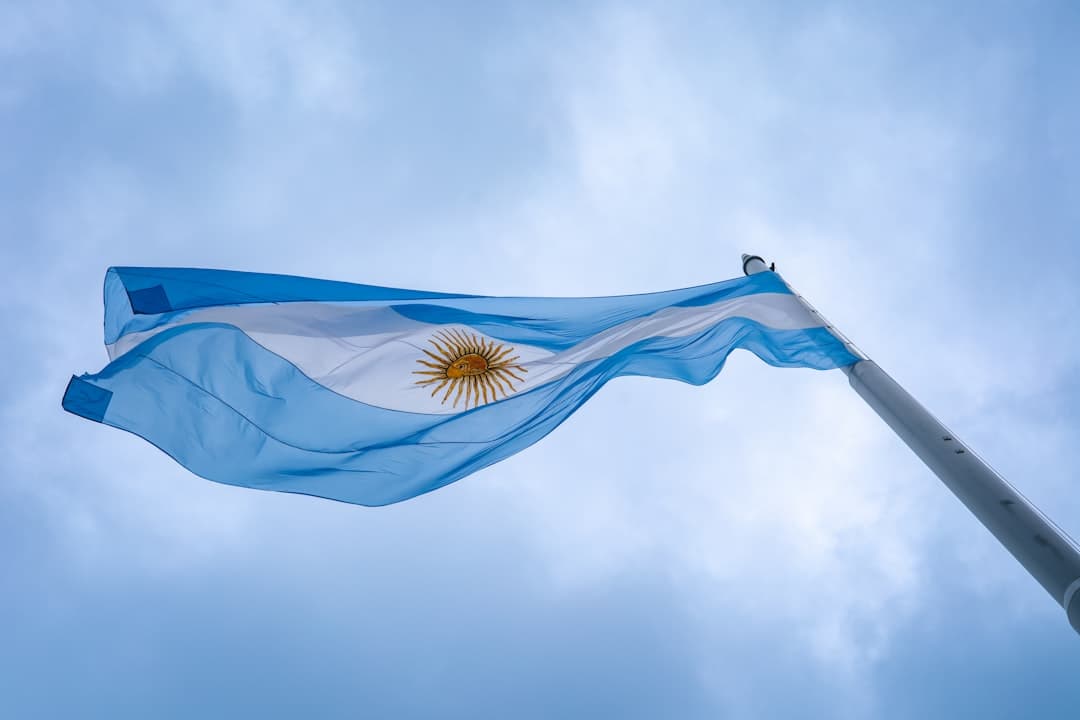
Scientific output from the region has been supported by growing networks of public universities, national research councils and international partnerships. Organizations such as Brazil's CNPq and Argentina's CONICET have funded research programs that increasingly appear in high-impact peer-reviewed publications.
Open Questions
Ongoing debates within the scientific community address the long-term preservation of research ecosystems in the Amazon, the equitable integration of Indigenous ecological knowledge into formal scientific frameworks, and the sustainability of funding models for regional research institutions.
Sources: European Southern Observatory (ESO), ALMA Observatory, CNPq (Brazil), CONICET (Argentina), IUCN Species Survival Commission, WHO Vector Control Reports, peer-reviewed literature via PubMed and Web of Science.
This article was compiled with the support of advanced research technology, based on multiple verified sources, and reviewed by our editorial team. This text is for scientific information purposes only and does not constitute instructions, advice or recommendations.