Chile has steadily built a reputation as one of Latin America's foremost centers of scientific activity, a recognition now reflected in its growing presence in international research networks, peer-reviewed publications, and multinational observatory partnerships.
Astronomy as a Cornerstone
The Atacama Desert in northern Chile hosts some of the world's most advanced ground-based telescope arrays, including facilities operated through partnerships involving the European Southern Observatory (ESO) and international consortia. The region's extreme aridity, high altitude, and minimal light pollution create atmospheric conditions that have made it a globally recognized site for observational astronomy. Facilities such as the Atacama Large Millimeter/submillimeter Array (ALMA) and the Very Large Telescope (VLT) have produced research published in leading scientific journals worldwide.
Expanding Research Across Disciplines
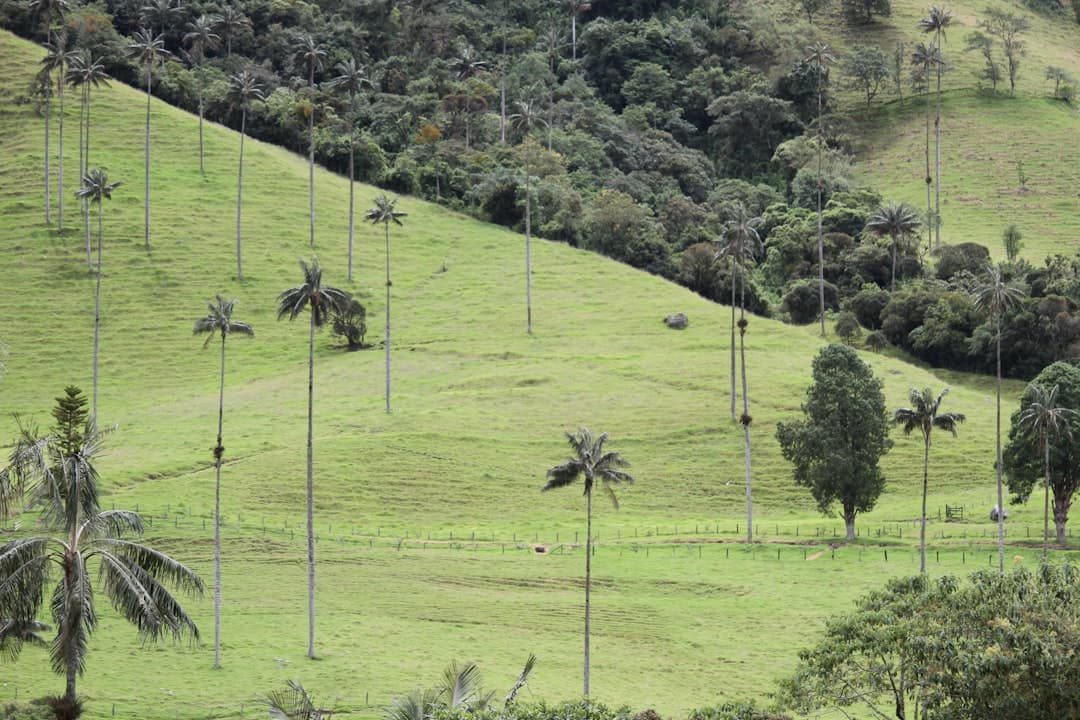
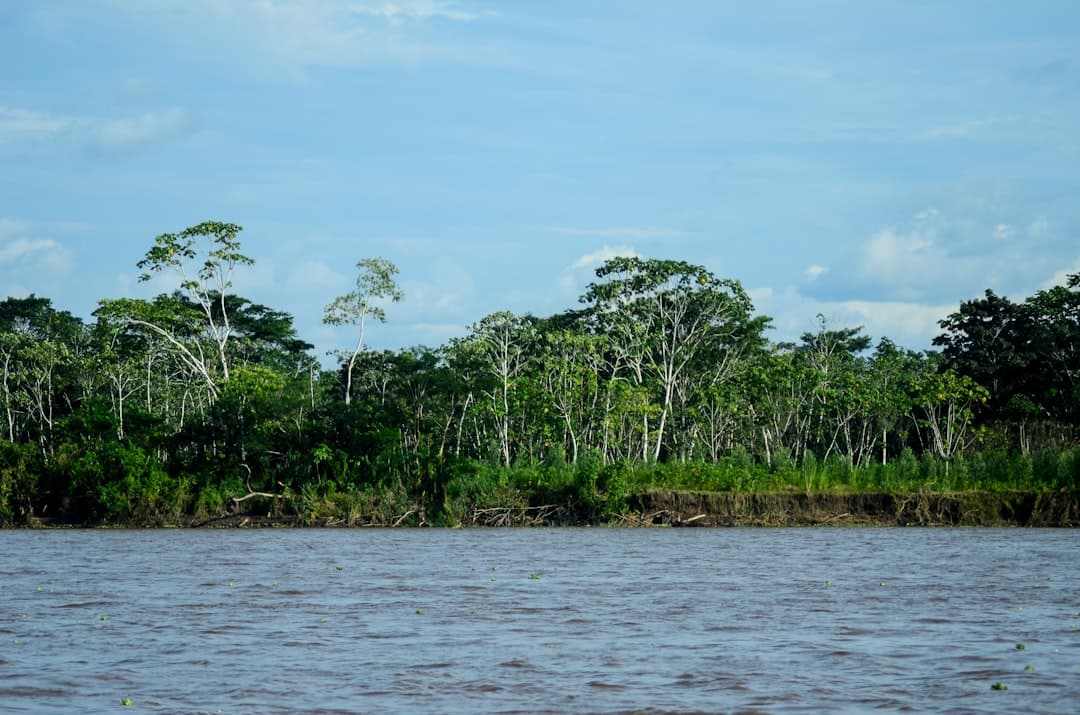
Beyond astronomy, Chilean scientific institutions have developed active research programs in ecology, seismology, marine biology, and glaciology. The country's geography — spanning desert, Andean highlands, temperate forest, and Patagonian ice fields — provides researchers with a rare diversity of natural environments within a single national territory. Studies conducted in these ecosystems have contributed to broader scientific literature on biodiversity, climate dynamics, and geological processes.
International Collaboration and Institutional Growth
Chilean universities and public research agencies have expanded formal partnerships with European, North American, and Asian counterparts. The National Commission for Scientific and Technological Research (CONICYT), restructured as the National Agency for Research and Development (ANID), has administered funding programs that support both domestic research and international scientific exchange. Chilean scientists appear with increasing frequency as co-authors in high-impact international publications across multiple disciplines.
Regional Context
Within South America, Chile's scientific profile is often discussed alongside Brazil and Argentina, though its output in specific fields — particularly astrophysics and earth sciences — has drawn disproportionate international attention relative to its population size. Regional scientific bodies have cited Chile's trajectory in assessments of Latin American research capacity.
Open Questions
The degree to which recent institutional reforms will affect the distribution of research funding across disciplines and regions remains a subject of ongoing discussion among science policy analysts. Similarly, questions persist regarding long-term infrastructure maintenance for large-scale observatory facilities as global demand for observation time increases.
Sources: European Southern Observatory (ESO), ALMA Observatory, Agencia Nacional de Investigación y Desarrollo (ANID), UNESCO Science Report, Nature Index Latin America.
This article was compiled with the support of advanced research technology, based on multiple verified sources, and reviewed by our editorial team. This text is for scientific information purposes only and does not constitute instructions, advice or recommendations.