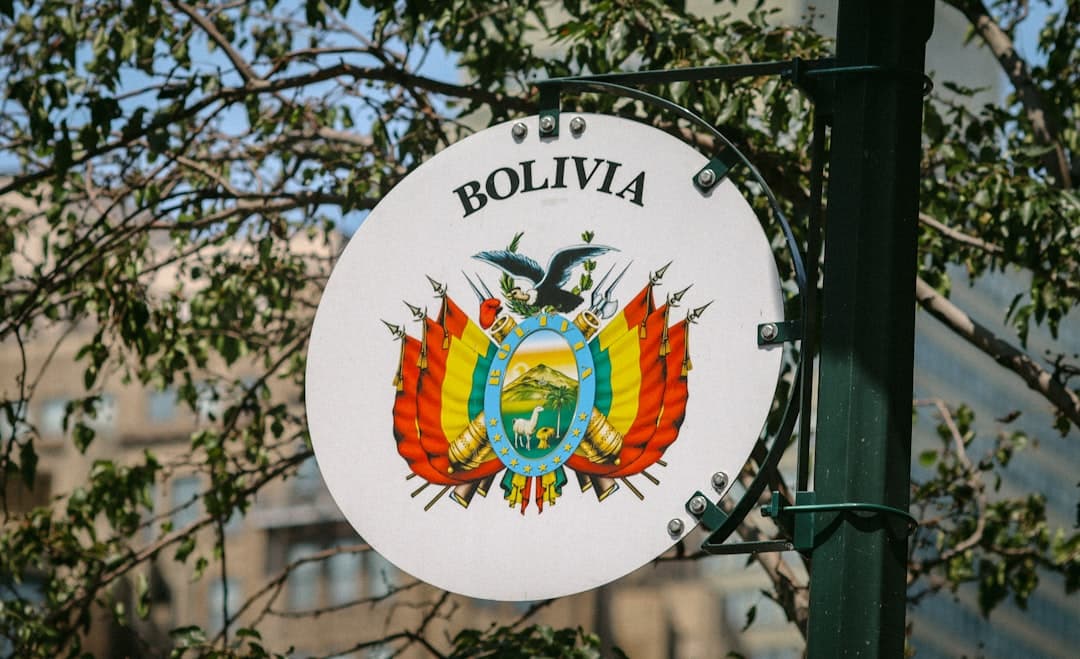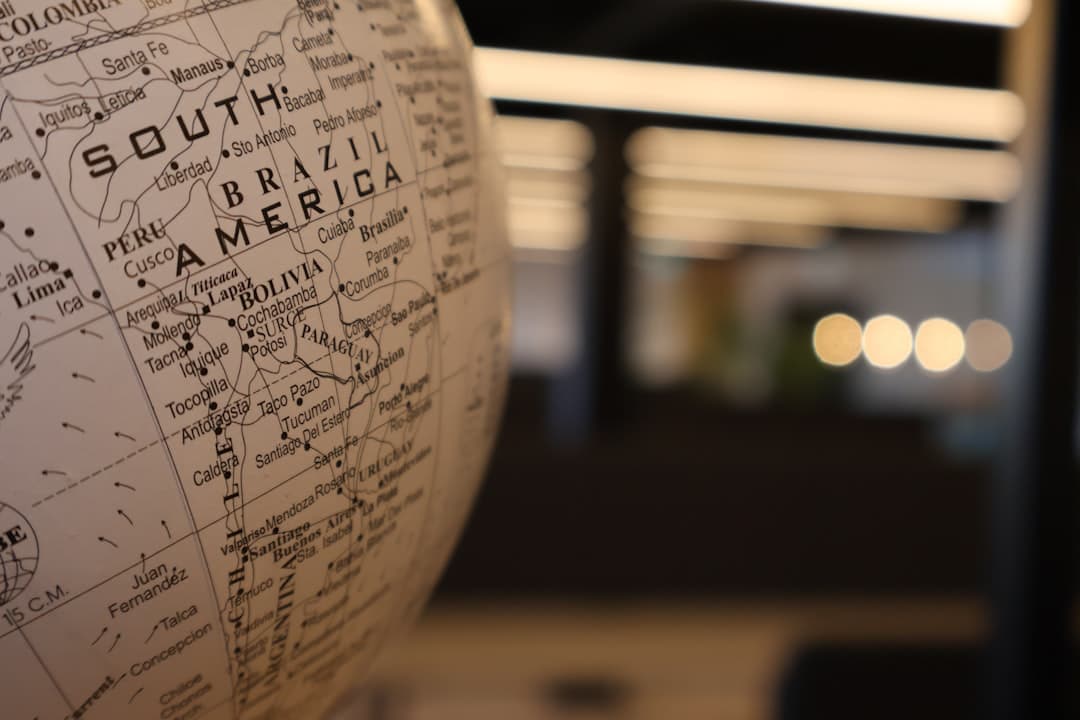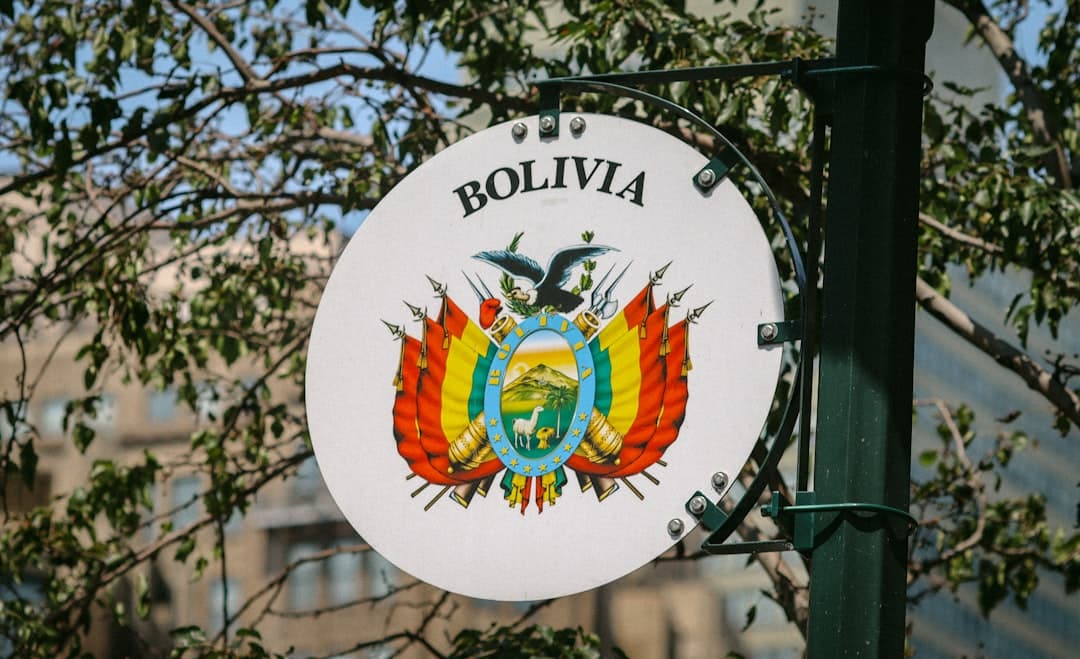
Bolivia possesses one of the most significant lithium deposits on the planet, located primarily beneath the Salar de Uyuni in the southwestern Potosí department. Estimates from geological surveys consistently place Bolivia among the top countries globally for total lithium resources, positioning the nation as a critical player in the supply chain for electric vehicle batteries and energy storage technologies.
State Control and Strategic Partnerships
The Bolivian government has historically maintained a firm stance on national ownership of its lithium sector, a policy embedded in the country's constitution. Yacimientos de Litio Bolivianos (YLB), the state enterprise created to oversee lithium operations, serves as the primary vehicle through which the government manages extraction, processing, and commercialization.
Despite this framework of state control, Bolivia has opened channels for joint ventures with foreign companies. Firms from China, Russia, and several European countries have entered into agreements with YLB over the years, seeking access to the resource in exchange for technology transfer and investment capital. Chinese companies in particular have established a notably active presence in negotiations and operational agreements.
Challenges in Scaling Production
Bolivia's lithium output has lagged behind neighboring producers Chile and Argentina, partly due to the chemical composition of its brine, which contains higher magnesium concentrations and requires more complex processing. Infrastructure limitations and shifting political conditions have also contributed to slower development timelines compared to regional competitors.
The push toward direct lithium extraction (DLE) technology has generated renewed foreign interest, as newer methods may reduce the technical barriers that previously complicated large-scale production in the Bolivian context.
Regional and Global Context
Bolivia forms part of the so-called Lithium Triangle alongside Chile and Argentina, a region that collectively holds a substantial share of the world's known lithium reserves. As global demand for lithium-ion batteries continues to grow, driven by the electric vehicle market and renewable energy storage, the strategic value of Bolivian reserves has increased considerably in the eyes of international investors and governments alike.
Open Questions
Whether Bolivia can translate its vast reserves into sustained production at a competitive scale remains unresolved. The balance between national sovereignty over natural resources and the need for foreign expertise and capital continues to shape policy decisions in La Paz.
Sources: Yacimientos de Litio Bolivianos (YLB) public statements, U.S. Geological Survey Mineral Commodity Summaries, International Energy Agency battery supply chain reports, CEPAL regional resource assessments.
This article was compiled with the support of advanced research technology, based on multiple verified sources, and reviewed by our editorial team.