Across South America, a quiet but durable shift is underway. Cultural traditions once considered endangered — from the weaving techniques of Andean communities to the oral histories of Amazonian peoples — are being actively preserved, transmitted, and in many cases, expanded into new contexts.
Policy Frameworks Supporting Cultural Continuity
Several South American governments have enacted constitutional and legislative protections for indigenous and regional cultural heritage over recent decades. Bolivia and Ecuador, for example, have formally recognized the concept of plurinationalism within their national constitutions, granting indigenous nations specific rights over their cultural practices, languages, and territories. Peru has maintained a national registry of intangible cultural heritage administered through the Ministry of Culture, which formally acknowledges traditional knowledge systems and ceremonial practices.
UNESCO's List of Intangible Cultural Heritage includes a substantial number of South American traditions, among them Argentina's tango, Colombia's Carnival of Barranquilla, and Bolivia's Oruro Carnival. International recognition of this kind has historically generated increased funding, tourism, and community interest in sustained practice.
Language Revival Efforts Gain Ground
Language is widely regarded by anthropologists as one of the primary carriers of cultural knowledge. In South America, efforts to revitalize indigenous languages have accelerated significantly. Quechua, spoken across Peru, Bolivia, Ecuador, and parts of Colombia and Argentina, has seen expanded use in educational curricula in several of those countries. Guaraní holds co-official status in Paraguay alongside Spanish and is actively spoken by a substantial portion of the population, making it one of the few indigenous languages in the Americas with such legal standing.
Community-led radio stations broadcasting in indigenous languages operate in parts of the Amazon and the Andes, providing both a medium for language use and a platform for transmitting traditional knowledge to younger generations.
Traditional Craftsmanship and Economic Incentives
Artisanal crafts rooted in pre-Columbian and colonial-era traditions have found expanded markets both domestically and internationally. Textile cooperatives in Peru, Bolivia, and Guatemala-influenced southern Mexico have connected directly with fair-trade networks, allowing weavers to sustain traditional techniques while achieving economic viability. The global growth of ethical consumerism has contributed to demand for handmade, culturally sourced goods, creating a commercial structure that rewards the continuation of traditional skills.
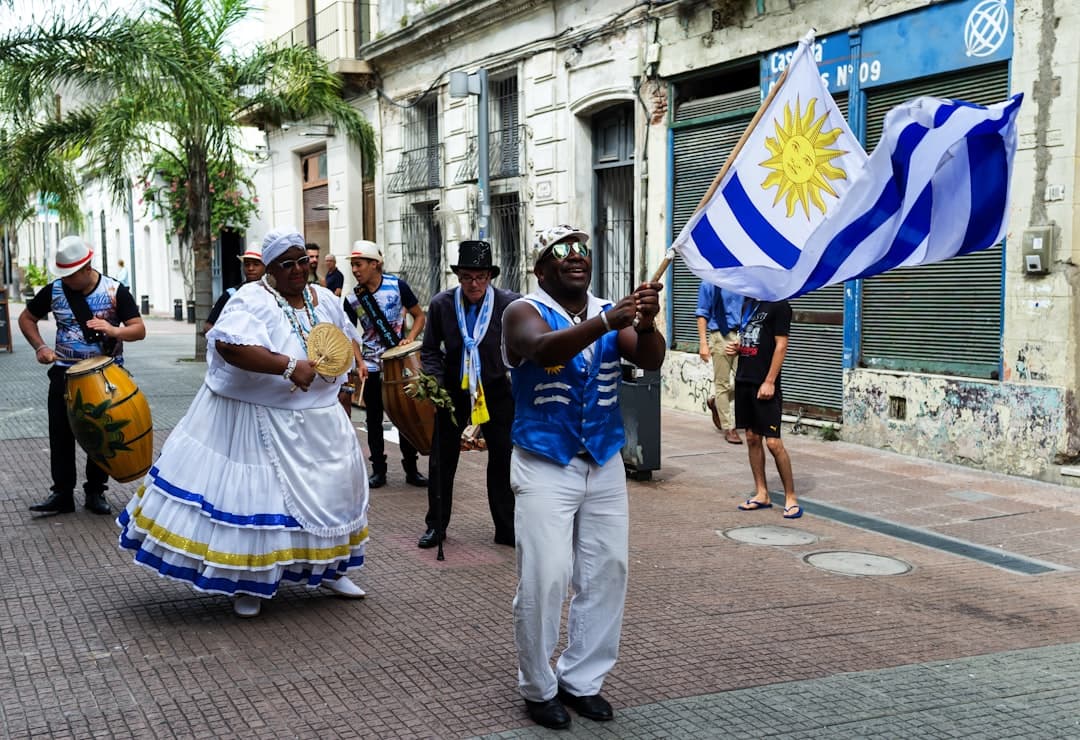
In Brazil, the crafts of Afro-Brazilian communities — particularly those tied to Candomblé and Capoeira traditions — have gained wider cultural visibility through festivals, academic study, and formal recognition by national cultural bodies.
Ceremony and Spiritual Practice in Public Life
Traditional ceremonies that were historically suppressed during colonial periods and later discouraged under various nationalist governments have re-entered public life in several countries. The Inti Raymi festival, a Quechua celebration of the sun solstice, draws large domestic and international audiences in Cusco, Peru each year. Similar ceremonial gatherings tied to agricultural cycles, ancestral commemoration, and community governance continue to function across rural and urban indigenous communities throughout the continent.
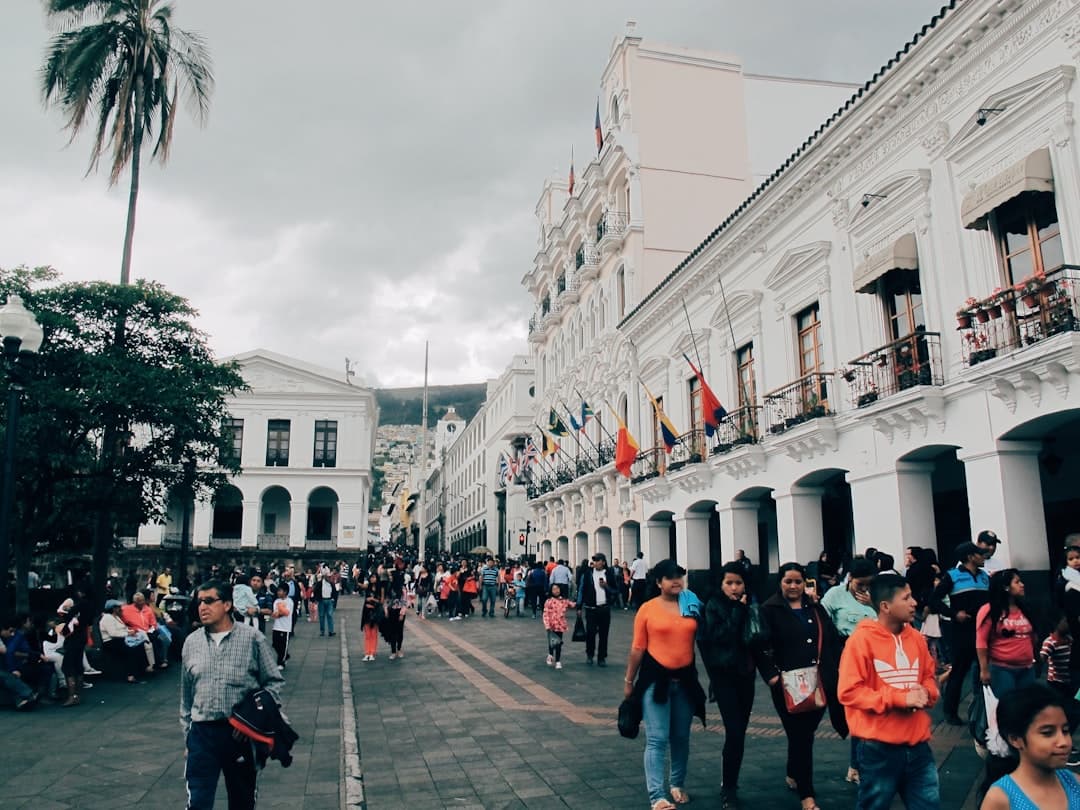
In urban centers such as La Paz, El Alto, and Quito, traditional dress, music, and ritual have become visible markers of political identity as well as cultural expression, with indigenous movements incorporating them into civic and governmental spaces.
The Role of Younger Generations
Cultural anthropologists have observed that generational transmission — once seen as the weakest link in the chain of tradition — has been strengthened through formal education programs, digital documentation projects, and deliberate community efforts. Youth-led initiatives in multiple countries have used social media platforms to share traditional music, crafts, and languages with audiences well beyond their original geographic reach, creating new forms of cultural continuity that operate alongside, rather than against, modern technology.
This article was compiled with the support of advanced research technology, based on multiple verified sources, and reviewed by our editorial team.