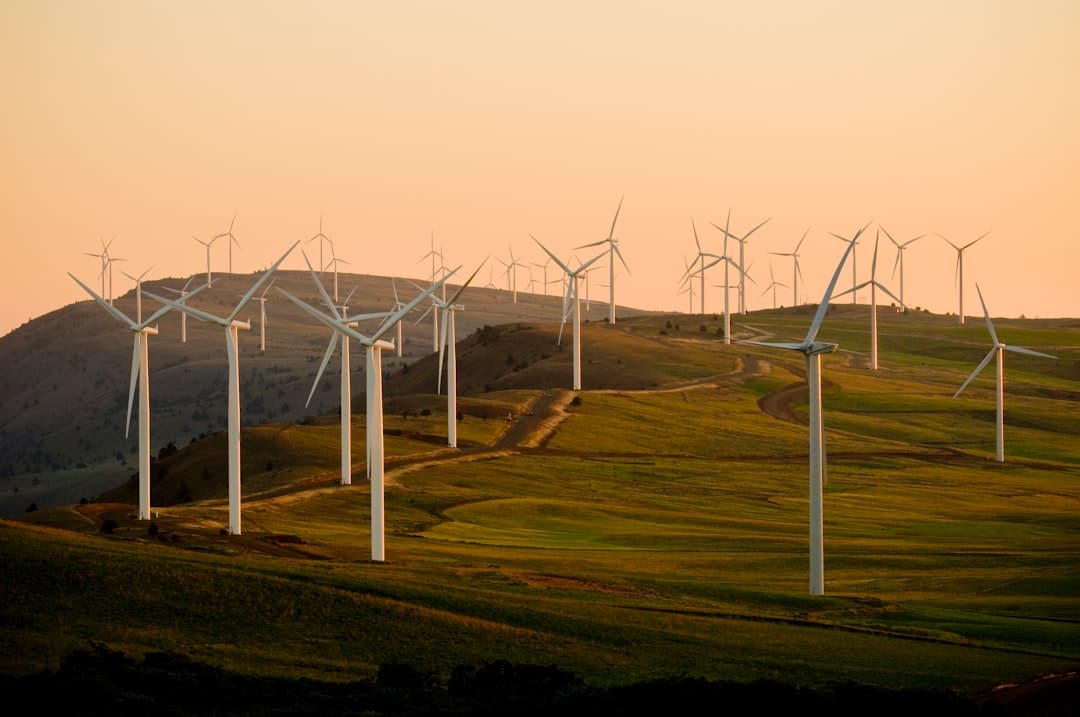
Across South America, a sustained wave of green investment is redirecting capital toward renewable energy projects, sustainable land use, and clean transportation infrastructure. The shift reflects both domestic policy decisions and growing pressure from international investors prioritizing environmental, social, and governance criteria.
Energy Transition at the Forefront
Chile and Brazil have emerged as regional leaders in renewable energy capacity, with both countries holding substantial shares of wind and solar generation on their national grids. Chile's Atacama Desert, one of the world's most solar-irradiated territories, has attracted significant foreign direct investment for utility-scale photovoltaic installations. Brazil, meanwhile, has long relied on hydropower and has more recently expanded its wind energy corridor along the northeastern coast.
Argentina and Colombia are at earlier stages of transition, though both governments have introduced regulatory frameworks designed to attract clean energy developers. The Patagonia region of Argentina holds considerable wind energy potential that remains largely underdeveloped relative to assessed capacity.
Labor Markets and Industrial Restructuring
The reorientation toward green sectors is generating new categories of employment in construction, engineering, and grid management, while placing pressure on fossil fuel-dependent workforces. Mining communities in countries such as Peru and Bolivia face structural adjustments as global demand patterns shift, even as lithium extraction — central to battery technology — creates parallel economic opportunities in the Andean region.
Trade and Export Repositioning
South American economies traditionally reliant on commodity exports are beginning to explore value-added green products. Green hydrogen, produced using renewable electricity, has drawn interest from governments in Chile and Uruguay as a potential export commodity targeting European markets seeking to diversify energy supply chains.
Regional development banks, including the Inter-American Development Bank and the Development Bank of Latin America and the Caribbean (CAF), have increased financing allocations toward climate-aligned projects, signaling a longer-term structural commitment to green economic development across the continent.
Open Questions
Whether green investment will reduce or deepen existing economic inequalities within South American nations remains an active area of policy debate. The distribution of benefits between urban industrial centers and rural or indigenous communities near renewable project sites presents unresolved governance challenges.
Sources: Inter-American Development Bank (IDB), Development Bank of Latin America and the Caribbean (CAF), International Renewable Energy Agency (IRENA), World Bank Climate Investment Funds, International Energy Agency (IEA).
This article was compiled with the support of advanced research technology, based on multiple verified sources, and reviewed by our editorial team.