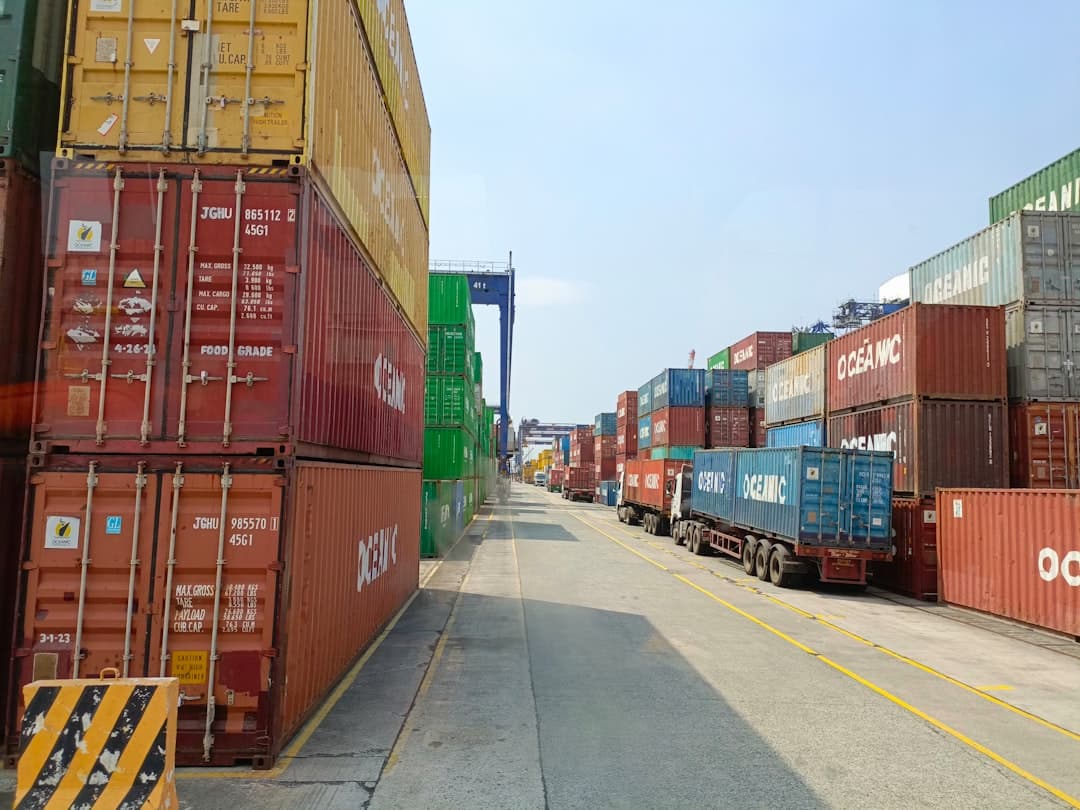
South America's economies have entered a period of broadening commercial integration, as bilateral and multilateral trade arrangements between neighboring nations continue to mature and generate measurable growth across multiple sectors.
Intra-Regional Trade on the Rise
Historically, many South American nations channeled their exports primarily toward North America, Europe, and Asia. A sustained shift toward regional commerce has altered that dynamic, with countries increasingly sourcing goods and services from within the continent. Agricultural products, manufactured goods, and energy resources form the backbone of these exchanges, flowing through established corridors between Brazil, Argentina, Chile, Colombia, and Peru, among others.
Trade blocs such as Mercosur and the Andean Community have provided institutional frameworks that lower tariff barriers and standardize customs procedures, making cross-border commerce more accessible for businesses of varying sizes. The Pacific Alliance, formed by Chile, Colombia, Mexico, and Peru, has also contributed to liberalized trade flows along the continent's western edge.
Infrastructure and Logistics as Enablers
Physical connectivity remains a critical factor in sustaining this growth. Ongoing investment in road networks, port facilities, and rail corridors has reduced transportation costs and transit times between major economic centers. Improved logistics infrastructure allows perishable agricultural exports, a cornerstone of several South American economies, to reach regional markets with greater reliability.
Diversification and Economic Resilience
Economists have long argued that greater intra-regional trade helps buffer individual economies against external shocks, such as commodity price swings or demand contractions in major importing nations. By diversifying their trading partnerships, South American governments are working to reduce vulnerability to those external pressures while simultaneously stimulating domestic industrial capacity.
Challenges remain, including currency volatility, political instability in some member states, and persistent infrastructure gaps in landlocked nations such as Bolivia and Paraguay. Nevertheless, the overall trajectory of regional trade integration points toward continued expansion.
Open Questions
How will ongoing political transitions in key economies affect the pace of trade liberalization? Can infrastructure investment keep pace with growing commercial demand? Will smaller economies capture an equitable share of regional growth gains?
Sources: World Trade Organization (WTO), Economic Commission for Latin America and the Caribbean (ECLAC/CEPAL), Mercosur Secretariat, Pacific Alliance official communications, World Bank regional economic reports.
This article was compiled with the support of advanced research technology, based on multiple verified sources, and reviewed by our editorial team.